
DJI: Automated Drone Inspection of a Solar Farm and Substation - Dock 3

Poland is one of the fastest-growing photovoltaic markets in Europe. At the end of the first quarter of 2025, installed PV capacity reached 22 GW - a tenfold increase in just six years. Poland's largest wind farm, located in Zwartowo in Pomerania, now has a capacity of 204 MW and covers 300 hectares. Meanwhile, most of these installations are still inspected once a year or after a failure—using traditional methods, with a pilot on site for every flight.DJI Dock 3 changes this model: automatic drone inspection unmanned in the field, according to a schedule, with data stored in the cloud after each flight.
Many PV farm operators and infrastructure managers are looking for an autonomous drone for inspecting photovoltaic systems - In practice, this is exactly what DJI Dock 3 offers: automatic, scheduled inspection flights, full human control at all times, and data available online immediately after the flight.
Why Polish PV farms and substations need automated inspections?
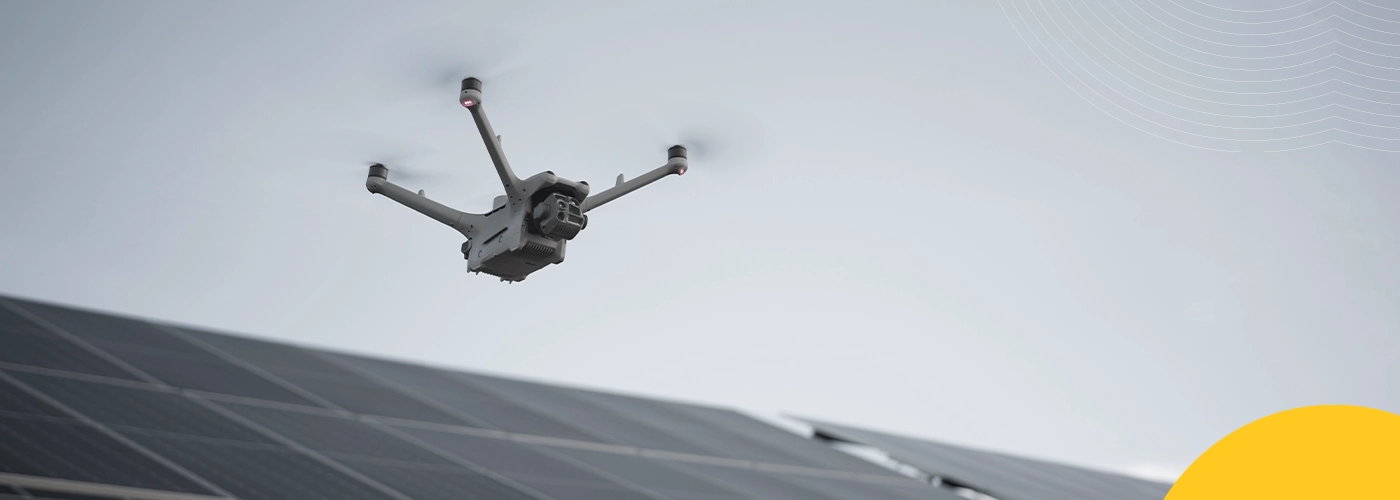
The Scale of the Polish Renewable Energy Market and Inspection Challenges
The PV market in Poland is maturing rapidly. 50% of the new installed capacity in 2024 will come from wind farms larger than 1 MW - facilities that are getting larger and larger, making them increasingly difficult to manage manually. Insurance companies are increasingly requiring regular documentation of a vehicle's technical condition. Panel manufacturer warranties—similarly. Meanwhile, given Poland’s specific weather conditions (80–100 days per year with suitable conditions for thermal flight), any unplanned malfunction represents a real loss of revenue.
Automated Inspection of Solar (PV) Farms
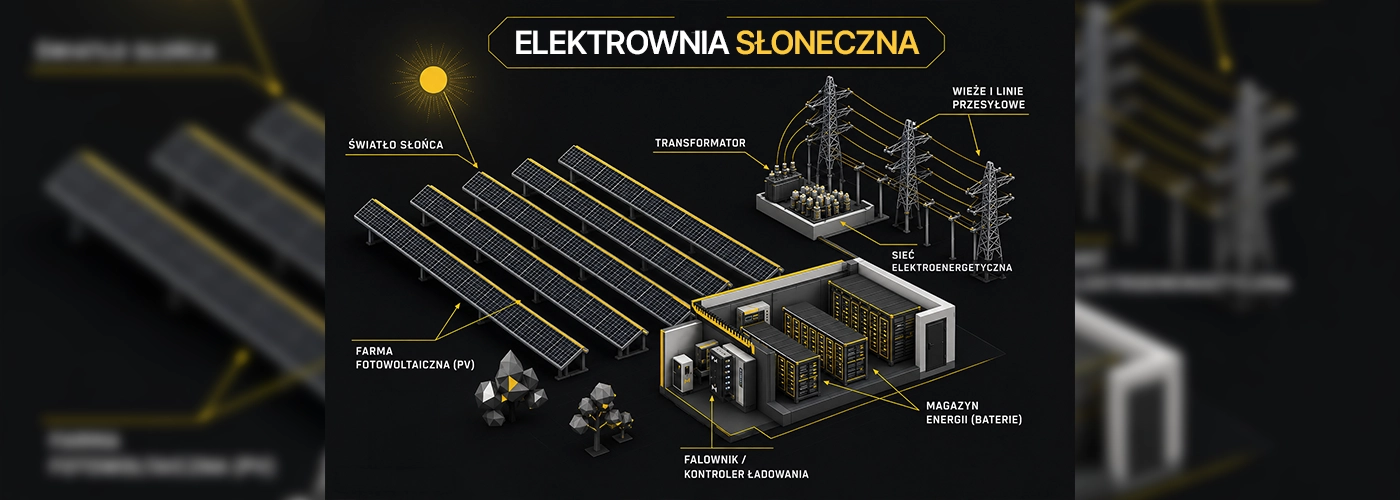
A Polish PV farm is a complete ecosystem: panels, inverters, transformers, wiring, and service roads. We perform two types of automated inspections: thermal (hotspots, damaged cells, modules with reduced efficiency) and RGB visual (dirt, cracks, vegetation overgrowth). Both types in a single automated flight.
A mapping flight as the foundation of the inspection program
Before the first inspection, we perform an automated mapping flight, which builds a three-dimensional base model of the terrain. This is the foundation—subsequent automated inspection routes are safer and more precise when based on an up-to-date 3D model. The system takes into account the specific characteristics of Poland: the varied topography of the Sudetes and the Carpathians (wind farms on slopes), the flat terrain of Mazovia and Greater Poland, and the specific wind conditions along the coast.
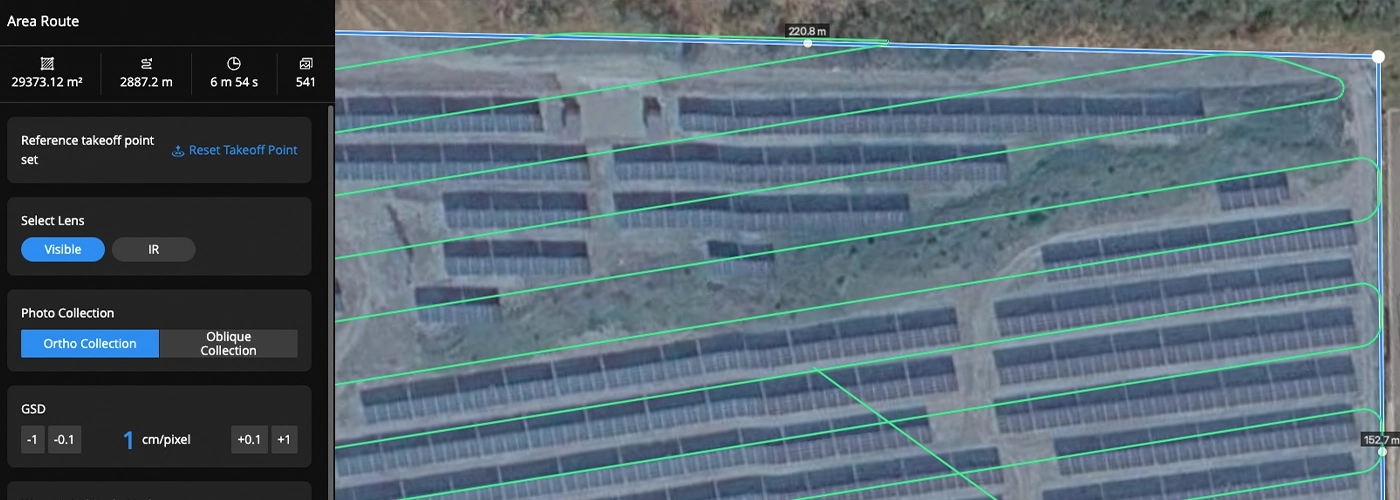
Function Terrain-Following Flight maintains a constant height above the ground regardless of the terrain—which is crucial for farms on uneven ground.
| Parameter | Value | Justification |
|---|---|---|
| Aircraft | DJI M4TD | RGB + thermal camera in one |
| PV flight altitude | 20–30 m | GSD Thermal 3 cm |
| PV Flight Speed | 5 m/s | Stable thermal performance |
| Overlap | 70% front, 30% side | A solid foundation for analysis |
| RTK | On | Centimeter-level location repeatability |
Automatic inspection flight—RGB and thermal simultaneously
An inspection route consists of structured lines running along the rows of panels. Key value: the same automated flight every week or every month allows you to track anomalies over time—the hotspot stabilizes, worsens after rain, and disappears after the cell is replaced. RGB and thermal simultaneously: dirt, shadows, debris, and damage visible in the RGB image; hotspots and electrical anomalies visible in the thermal image.
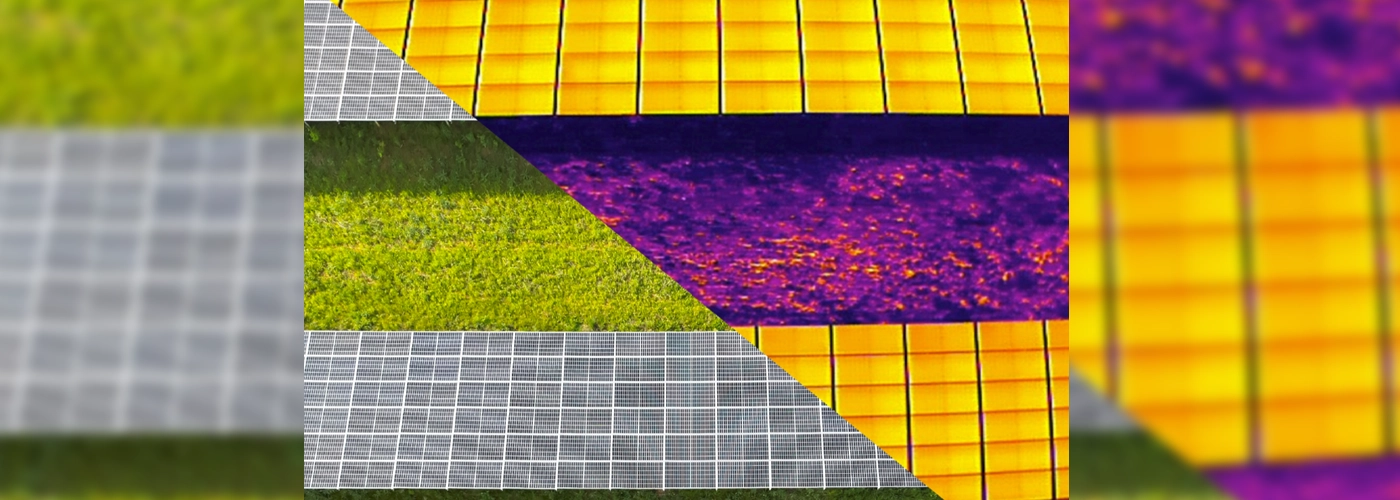
Automatic Inspection Flight - Thermal Image in FlightHub 2. "Side-by-Side" preview of the thermal imaging camera and the RGB camera. The operator monitors the system remotely and can take control at any time.
Auto Dispatch - Automatic Inspection Triggered by a SCADA Event
Integration with SCADA systems managing Polish renewable energy farms: a generation anomaly triggers an automatic drone flight to the specified area. Troubleshoot issues in minutes, without sending a service team on-site. Fully automated integration via API (HTTP POST/JSON).
Automated Inspection of Power Substations Operated by PSE and DSO Operators
PSE manages thousands of transmission grid components in Poland. DSO operators (Enea, Tauron, PGE, Energa) operate substations in every corner of the country. There is a real risk of personnel entering the high-voltage zone. Automatic drone for substation inspections solves this problem.
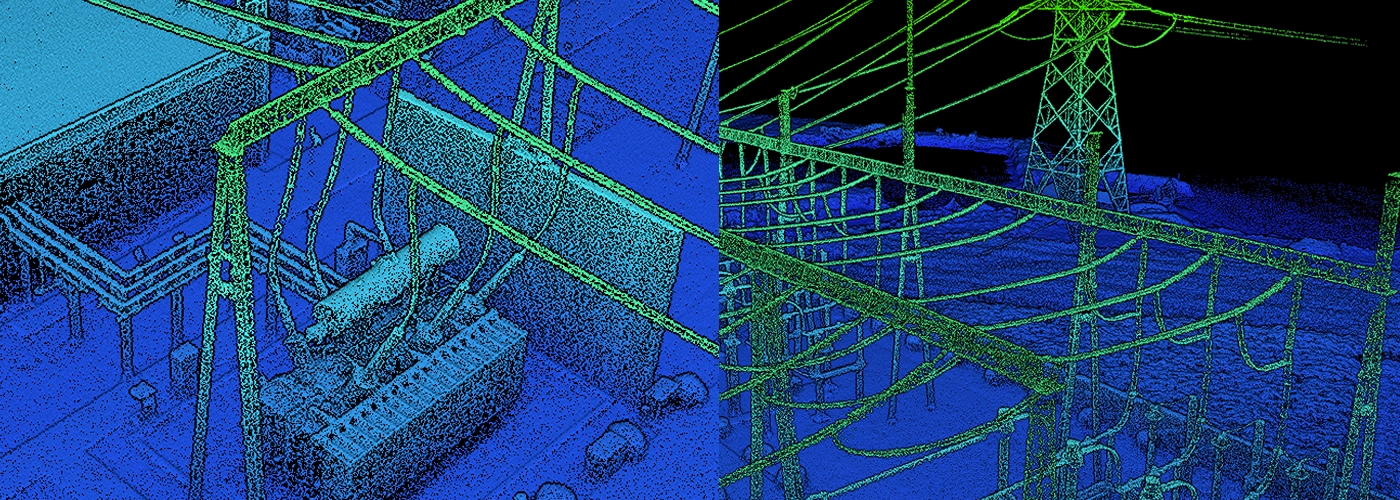
Substation inspection: The drone automatically approaches hard-to-reach components—the operator views a live feed with a thermal overlay without putting personnel at risk.
What we check thermally: cables, connectors, and busbars (temperature anomaly = resistance or a developing fault), transformer bushings. Visually: damage to insulators, deformation, missing mounting components.
Day or night—when to run an automatic inspection?
In Poland, the inspection season for PV farms lasts about. 80–100 days per year (sunny weather, adequate sunlight).DJI Dock 3 maximizes the use of these days: automatic missions launch at a set time, regardless of the pilot's availability. Nighttime thermal imaging of substations: reduces solar interference and improves contrast for electrical components.
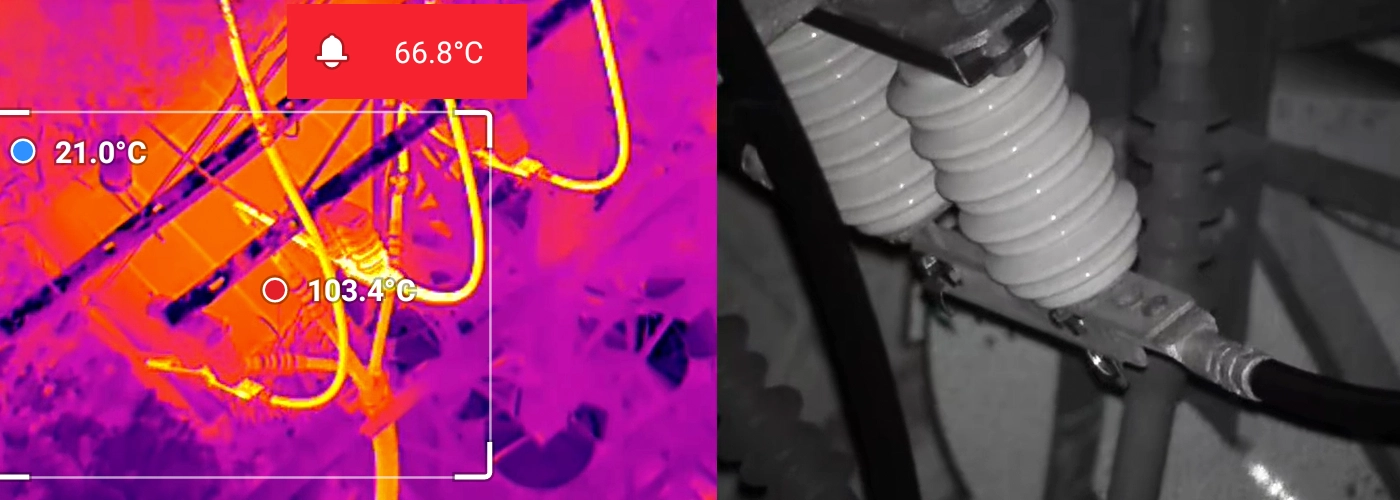
FlightHub 2 Virtual Cockpit: Automatic Thermal Inspection of Substations with Alerts—Visible Temperature Anomalies on Components.
Automated workflow: flight → model → report
From an automated flight to a maintenance report—without human intervention
FlightHub 2 Sync transmits RGB and thermal data directly to the servers of external analytics platforms (Sitemark and others).) - without manually downloading files. The data is sent to the report, and the report is sent to the farm manager's inbox. A fully automated process from flight to service decision.
Three Principles of an Effective Automated Inspection Program in Poland
How to Build a Scalable Drone Inspection System for the Energy Sector?
- Consistency Over Speed. The same automatic routes, the same settings, the same angles on every flight—only then can you compare data week to week and spot downward trends.
- Target Sensor. Thermal and RGB Always Together—RTK Guarantees Centimeter-Level Repeatability in Hotspot Localization Between Consecutive Automatic Flights.
- Dock is the collection engine. The value of the data is derived from the analysis: notes, fault priorities, service orders, and reports for the insurer and the panel warranty provider.
Automated inspection of your PV farm or substation—find out what we can do for you
As an official partner of DJI in Poland, we specialize in the implementation of automated inspection systems for the energy sector. We are familiar with Polish regulations, we understand the specific nature of PSE and DSO, and we are familiar with the weather conditions at Polish wind farms.
- Free site analysis and ROI assessment for your PV farm or substation
- System Demonstration at Your Location
- Draft Schedule for Automated Inspection Missions
- Integration with your SCADA system and analytics platforms (Sitemark and others.)
- UAV Operator Training - VLOS and BVLOS