
Comparison DJI Avata 360 vs DJI Avata 2

It is possible that this is the first time that DJI has released two models in the same series that have such different applications.At first glance DJI Avata 2 and DJI Avata 360 look very similar - in practice, however, they are two completely different pieces of equipment.
In this article, we compare the two models, look at their key parameters, differences and what applications they will work best for.
Camera quality DJI Avata 2 vs DJI Avata 360
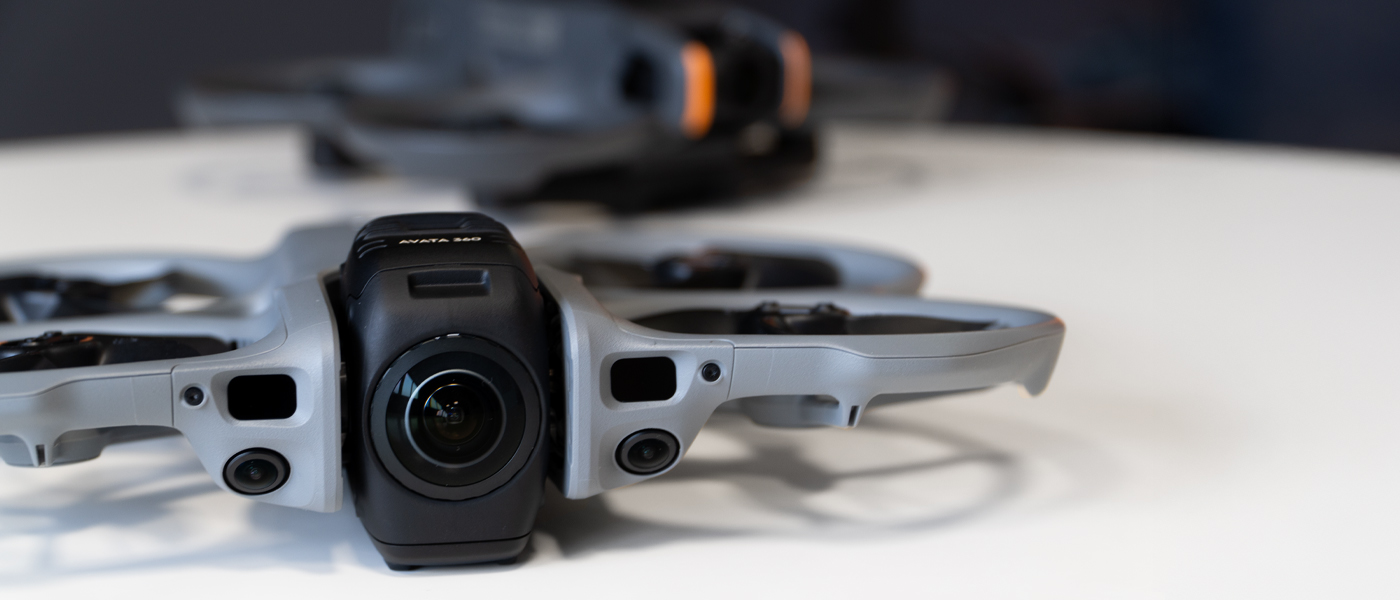
In addition to the obvious difference of 360° recording, there are several important technical aspects worth noting.The new Avata 360 has a brighter aperture (f/1.9 vs f/2.8) and larger sensors (closer to 1 inch vs 1/1.3") , which translates into better image illumination, more detail and higher quality - especially in more difficult lighting conditions.
An interesting option in the Avat 360 is also the ability to switch to Single Lens mode , that is, to use a single lens as in a classic drone.Then we don't record in 360°, but we get more standard video footage.
On paper, it may seem that the difference in quality will be very large - but in practice, both drones record really well.4K 60 FPS in Avat 2 and 8K 60 FPS in Avat 360 provide smooth, detailed images and in most applications both look very good.
So the biggest difference is not just in quality, but in capability.
The 360 image gives you much more freedom to work - from one flight you can pull several different shots, without having to repeat the flight.
In practice, for applications such as property interiors, it makes a huge difference - you can show much more space and perspective.The question is... do we always want to show that much?😄
Construction and sensors DJI Avata 2 vs DJI Avata 360
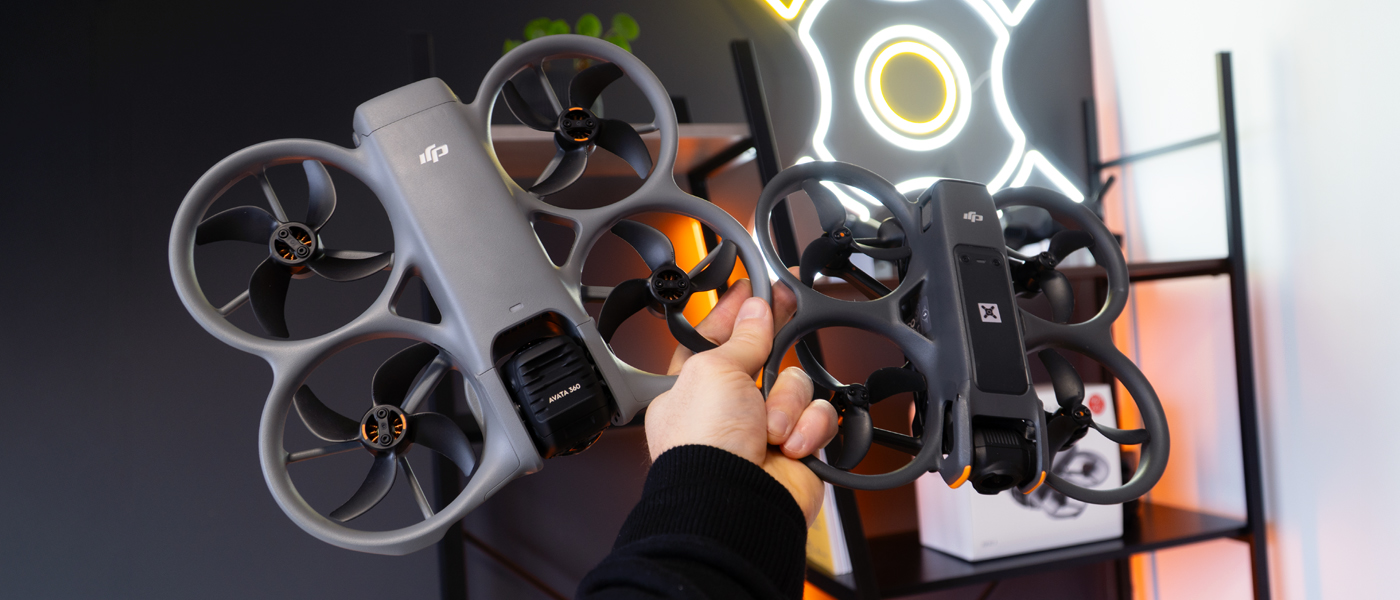
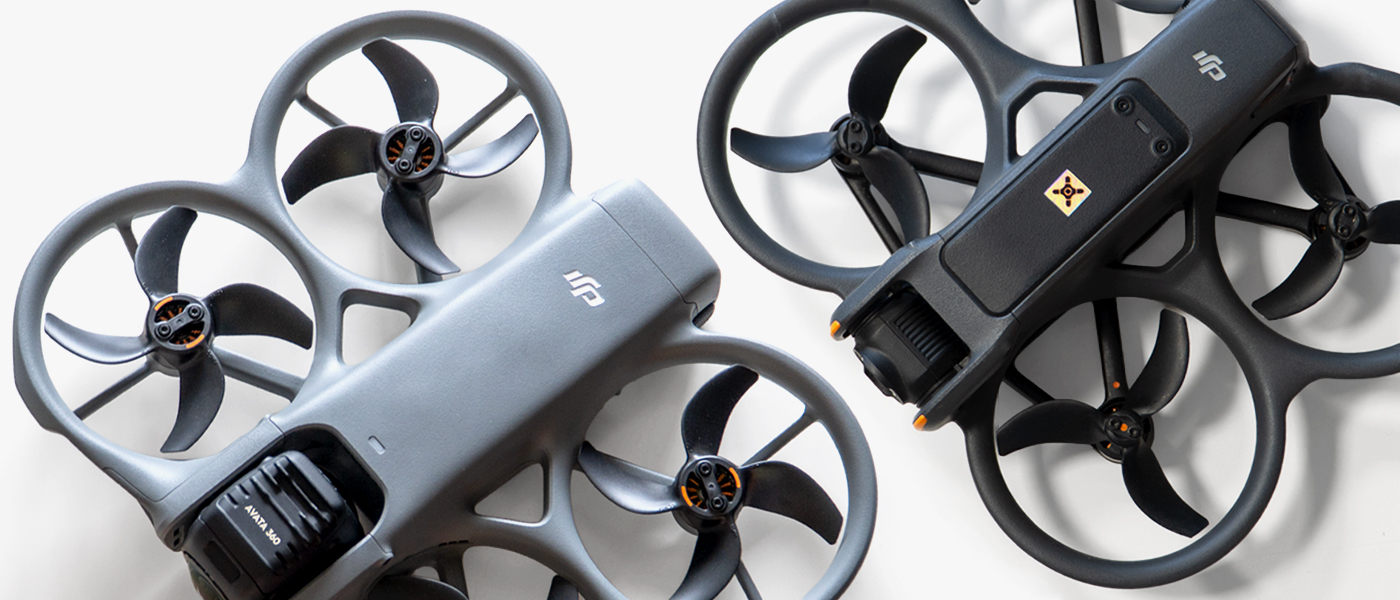
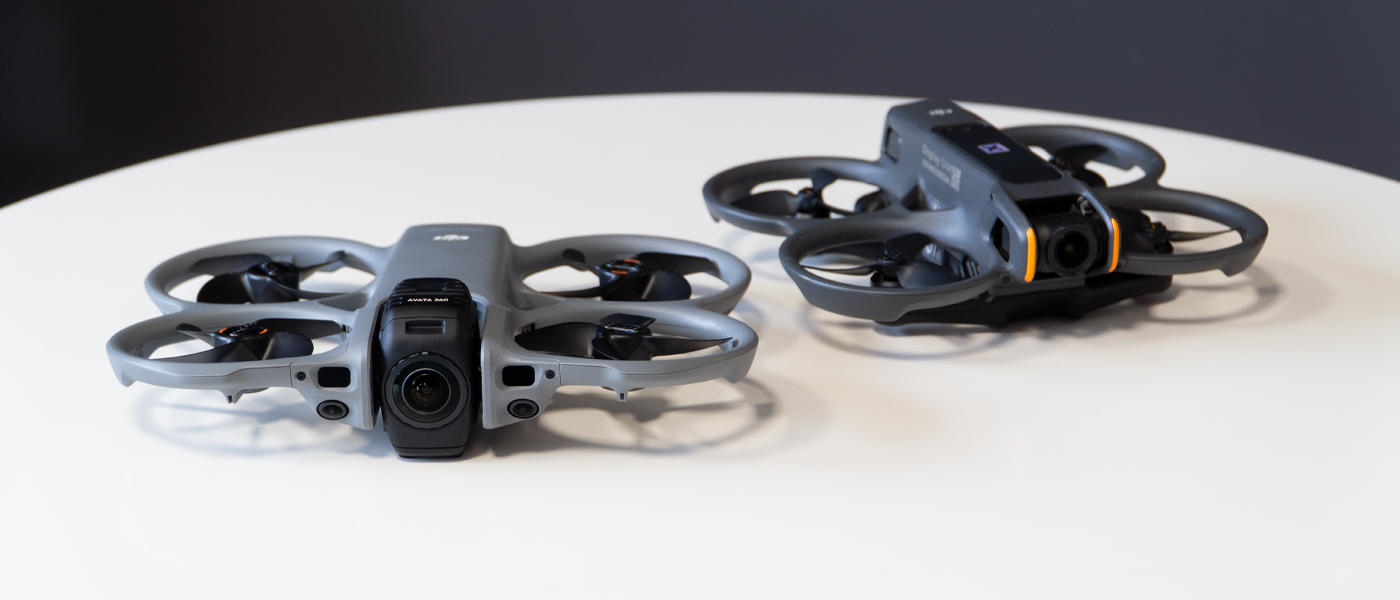
At first glance, the two drones may seem very similar, but you only need to take them in hand to immediately feel the difference.DJI The Avata 360 is noticeably flatter and wider , and the difference in weight (~80 g) is also noticeable.Although DJI tried to balance the structure well - m.in.by an extended battery - a module with two lenses clearly weighs down the front of the drone.Avata 2 in comparison is much more compact and better balanced.
Also interesting are the propellers.The Avat 360 uses 4-blade propellers , which in theory should be quieter.In practice, both drones generate very similar noise levels - although the sound of the new Avata may be noticeably a bit "more pleasant" to the ear.
However, the biggest difference comes with the sensors.Avata 360 offers advanced omni-directional sensor system supported by LiDAR , which significantly improves safety and flight comfort.And this is especially important in the context of the applications we mentioned earlier - for example, interior flyovers.With such support, flying indoors becomes much easier and less stressful.Avata 2 takes a completely different approach - apart from the lower sensors responsible for stabilization, it does not offer obstacle detection systems.In practice, this means one thing: here we are fully reliant on our skills and control of the drone.
Range, flight time and charging DJI Avata 2 vs DJI Avata 360
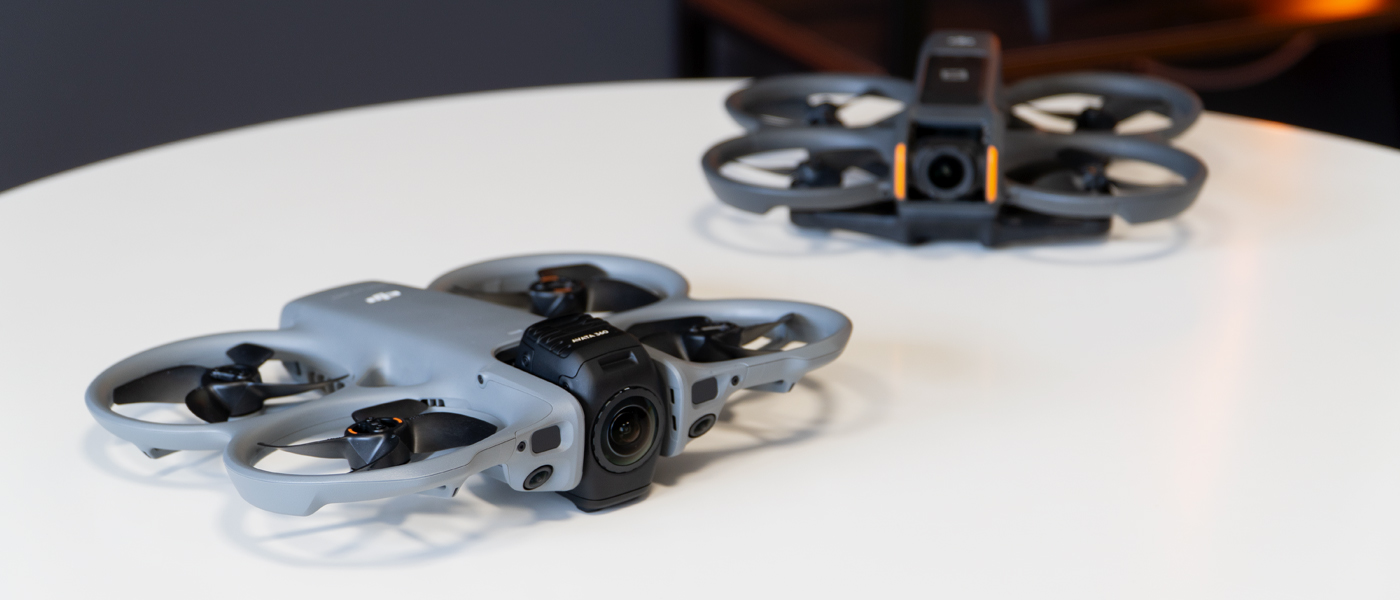
In this aspect, the two drones perform almost identically.The flight time according to the manufacturer is about 23 minutes and in practice this is very similar for both models.
The same is true for charging - using a hub and a suitable charger:
- about.47 minutes takes to charge one battery
- about.100 minutes for three batteries
The difference, however, appears in the transmission of.DJI Avata 360 uses the newer O4+ system , which offers better connection stability and greater resistance to interference.In practice, this doesn't translate into a significantly longer range, but it does give more confidence and comfort during flight.
On paper, both drones offer a range of up to 10 km (CE) , but in real-world conditions - especially in the city - you should expect values of about 1-1.5 km.
Is it FPV?
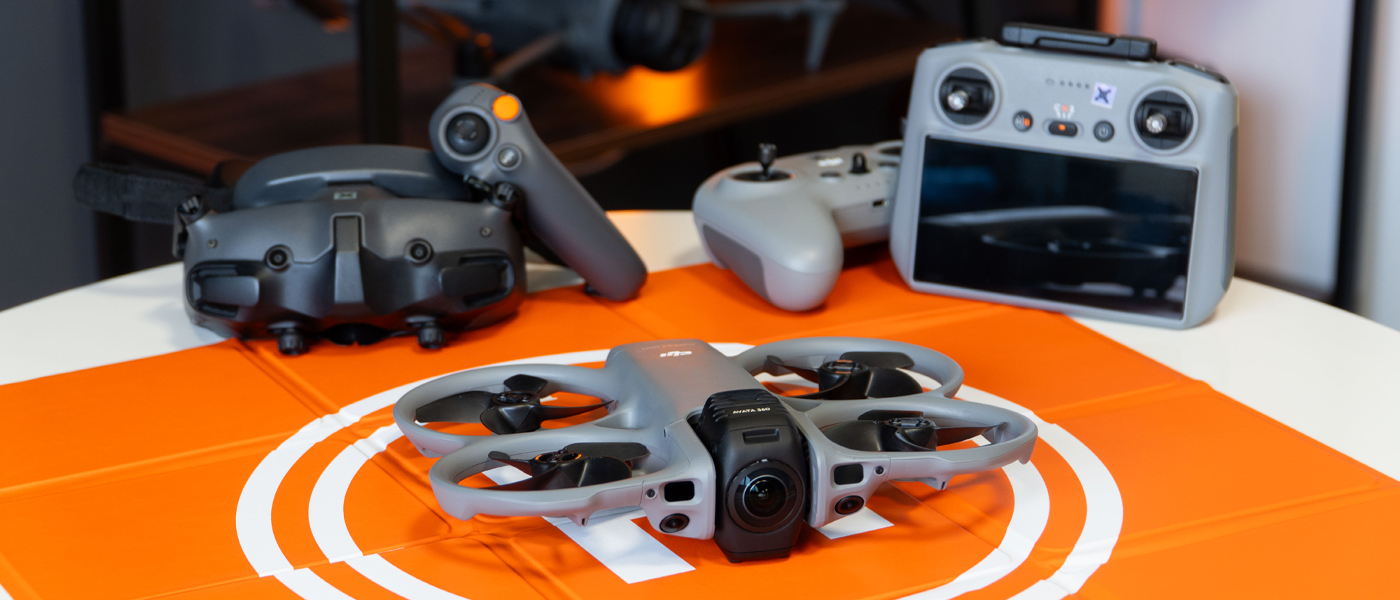
Here comes the key question - what exactly is FPV?The mere fact that we can put on goggles and view the drone's images is only one part of the puzzle.Following this line of thought, one could say that even the Mini 4 Pro is an FPV drone - and there will probably be some people who agree with that.
The biggest difference, however, is the manual mode (Acro) - and it is its absence in the Avat 360 that clearly separates the two models.
DJI Avata 2 is a drone designed with FPV in mind - especially for beginners.It gives access to dynamic flying, while retaining all the "fuses" known from classic drones DJI, such as stable hovering, GPS or return to home.So you can enter the world of FPV without having to build equipment from scratch.
DJI Avata 360 is a completely different approach.This is a more classic drone, which we can use both through the controller DJI RC 2 , and goggles.However, the flight itself is stabilized and system-supported - we don't have full freedom here, as in FPV.
Of course, with 360° recording, we can mimic FPV shots in post-production , working the camera accordingly.The effect can be really good and in many cases fully sufficient.
However, it should be made clear - this is not the same as real FPV.
We don't get the same control, dynamics and "feel" of flight that Avata 2 gives here.
And maybe that's why the Avata 360 would be more suited to an entirely new series - because although it looks similar, in practice it does something completely different.
Comparison of specifications DJI Avata 2 vs DJI Avata 360
| DJI Avata 2 | DJI Avata 360 | |
| Weight | about.377 g | about.455 g |
| Camera | 1/1.3" CMOS, 12 MP | 2 × 1/1.1" CMOS, 64 MP |
| Video | 4K up to 60 fps (HDR) | 8K 360 to 60 fps (HDR) |
| Photos | up to 12 MP | up to 120 MP (360°) |
| 360° mode | no | yes |
| Classic mode | yes | Single Lens (4K) |
| Sensors | bottom | omnidirectional + LiDAR + IR |
| Range (CE) | up to 10 km | up to 10 km |
| Flight time | about.23 min | about.23 min |
| FPV | full (manual/Acro mode) | limited (no manual) |
| Application | classic FPV | 360 drone + FPV |
For whom, which drone?
Here the choice is actually simpler than it may seem - because the two models solve slightly different needs.
DJI Avata 2 will be a better choice for people who:
- want to fly, not just record
- they care about the true FPV experience
- want to learn manual (Acro) mode and develop skills
- like dynamic shots, flights, "flow" between obstacles
- are looking for more "fun" equipment, but still with good image quality
It's a drone that's fun to fly - the camera is an add-on, albeit a very good one.
DJI Avata 360 will work better for people who:- want first and foremost to create content and have full control of the frame
- they don't want to stress about whether they set up the camera correctly during the flight
- they care about maximum flexibility (post-flight framing)
- prefer more "safe" flying supported by sensors
- create content for social media, advertising or more creative shots
It's a drone that looks more like a recording tool than flying equipment.
Summary
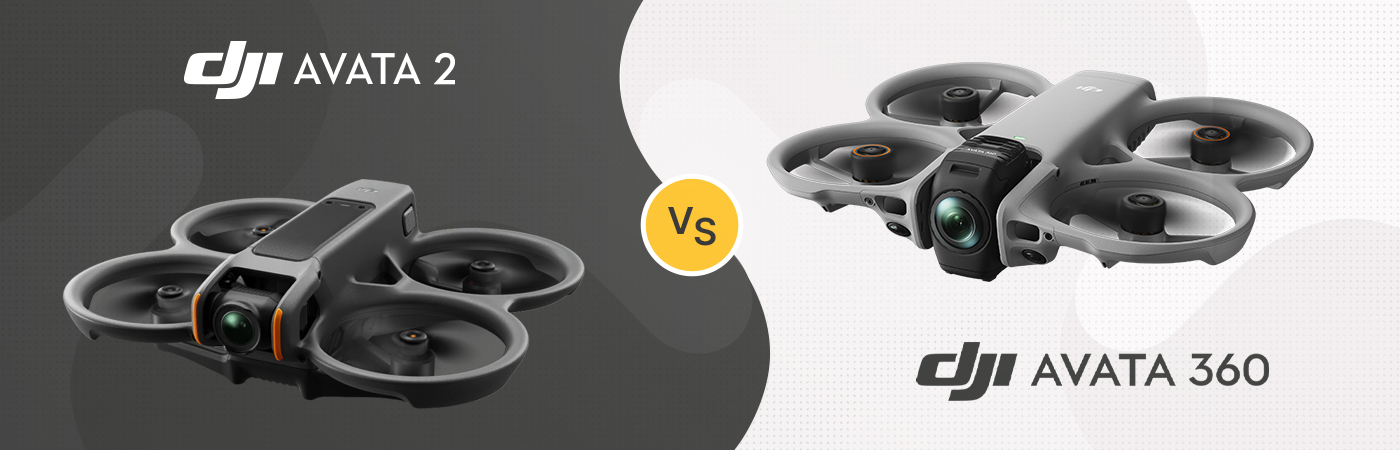
DJI Avata 2 and DJI Avata 360 are two completely different approaches to flying - even though they look similar at first glance.
Avata 2 - classic FPV at its best DJI.Gives great fun to fly, full control in manual mode and a very smooth, dynamic image.It's a piece of equipment that is first and foremost meant to be fun and deliver high quality images.
Avata 360 - here the most important thing is the recording - full 360°, the ability to choose the frame after the flight and much more flexibility to work with the material.Flying is receding a bit into the background, and the drone is becoming more of a tool for creation than a "toy" for flying.