
Early detection of fires and hazards: how drones are making municipal infrastructure safer - DJI Dock 3 and Matrice 4TD
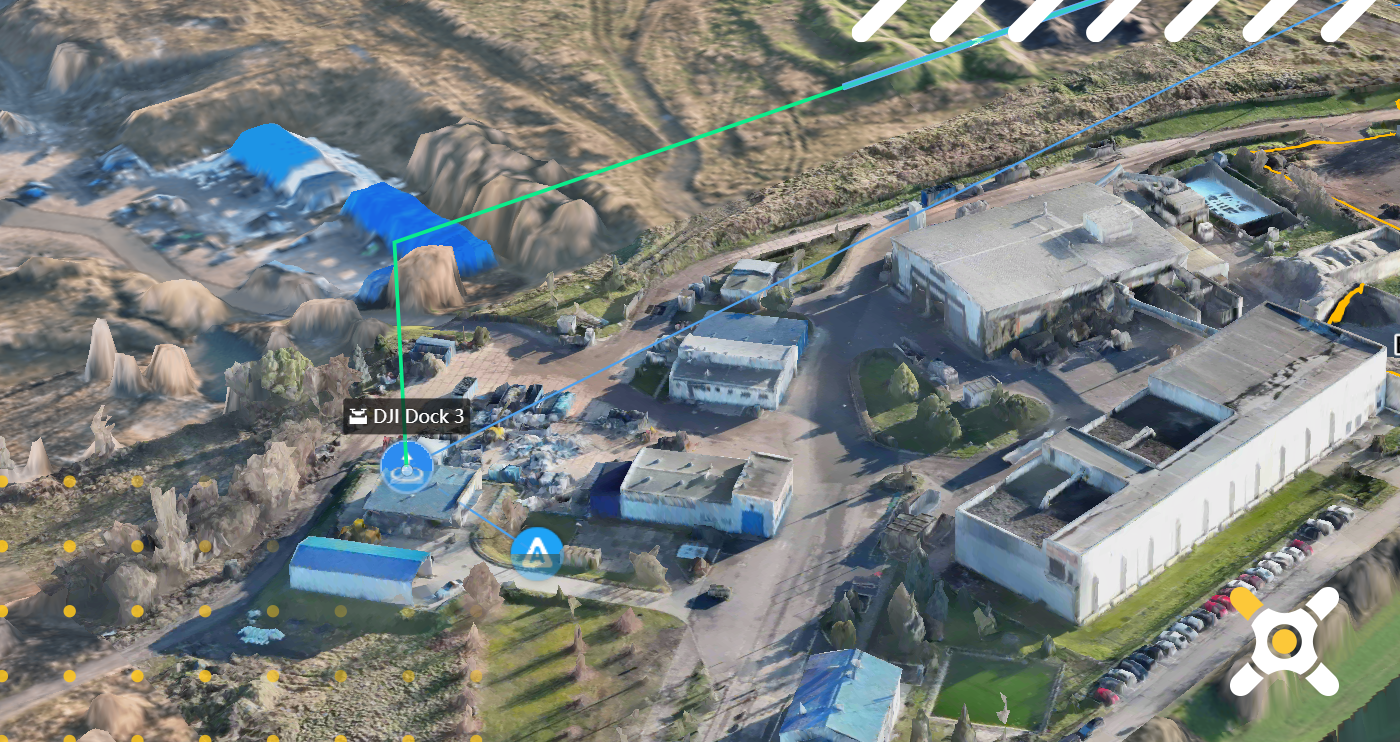
Recently, we had the opportunity to carry out a project in which we implemented an industrial drone solution DJI at the Municipal Plant in Opole.The entire process required a thorough understanding of the specifics of the facility and the real problems faced by the plant in its daily operations.After a series of meetings and a hardware demonstration, it quickly became clear that our proposed solution not only addresses key risks, but could also find application in many other operational areas.
DJI Dock 3 and DJI Matrice 4TD?
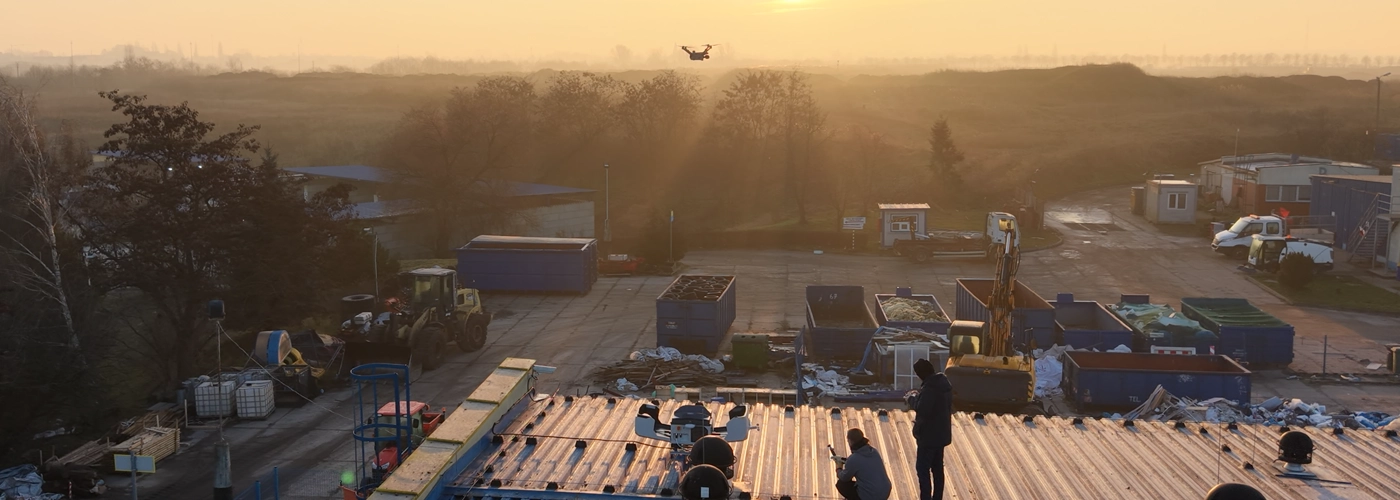
DJI Dock 3 is an advanced docking station that enables fully autonomous operations - from takeoff to landing to automatic charging and readiness for future missions.It allows the drone to work cyclically, without the constant presence of the operator, carrying out scheduled tasks at any time of the day or night.
DJI Matrice 4TD is an industrial drone equipped with thermal imaging camera, RGB camera and rangefinder, designed to operate in demanding conditions.Such platforms are used m.in.by emergency services and security units, where reliability, weather resistance and precise information are important.
What problem does ZKO have?
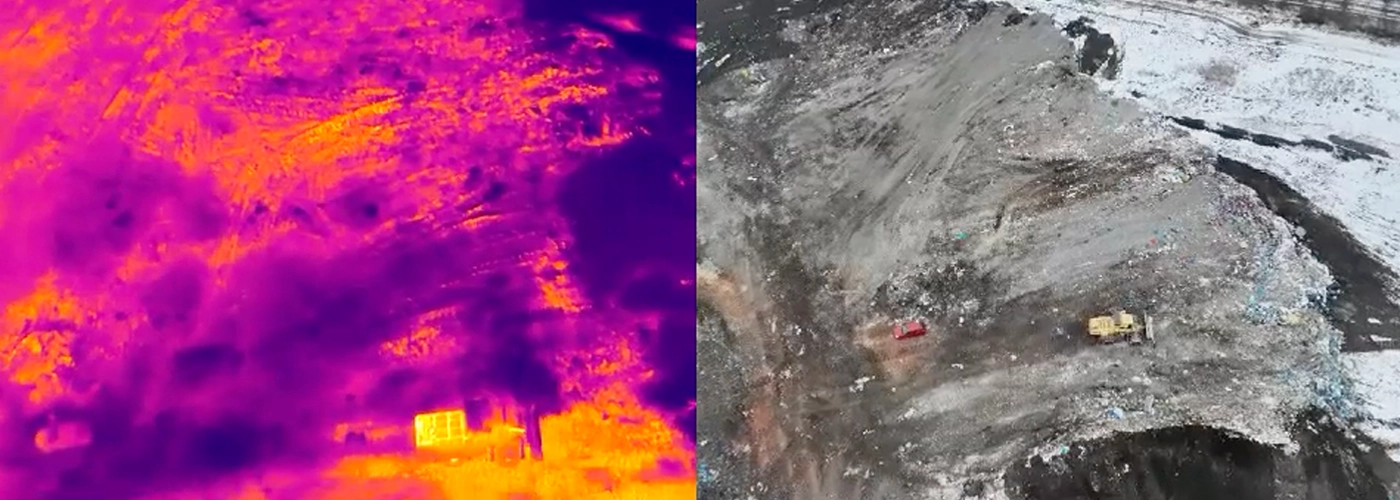
One of the biggest risks at municipal facilities is spontaneous combustion of bio-waste piles , which very often develops inside the pile and remains invisible to the naked eye for a long time .During the processes of biodegradation produce gases and high temperatures, which can lead to fire without any previous visible signs.
When the fire finally becomes visible, the situation is already critical.Extinguishing such a fire can take weeks or even months , generating huge costs, endangering workers, and often forcing a temporary halt in operation of parts of the plant.
Our proposed solution - DJI Matrice 4TD and DJI Dock 3
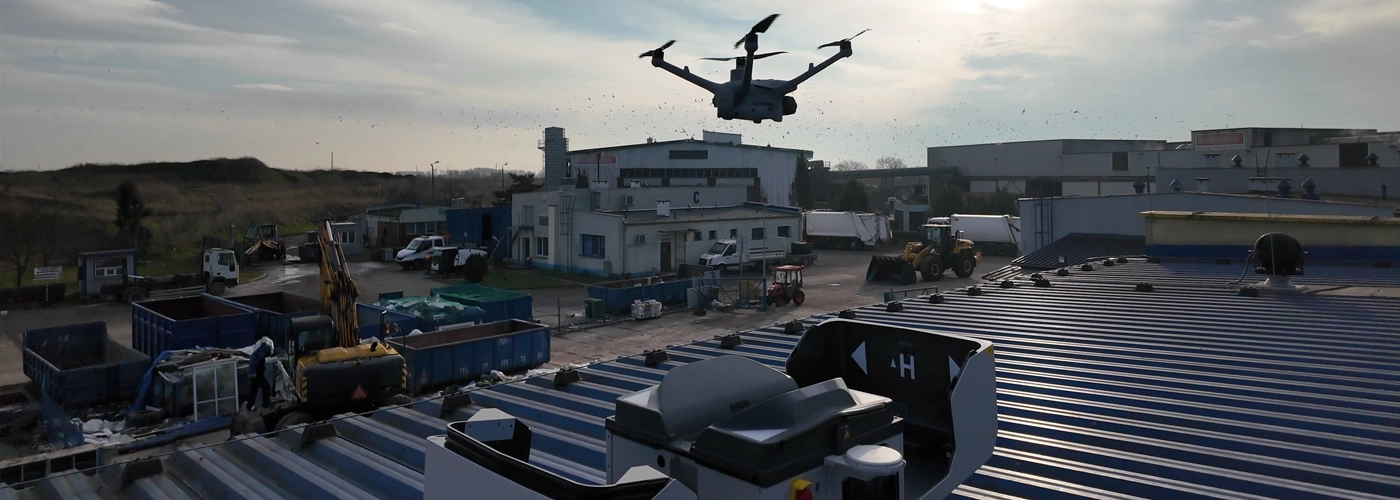
The answer to the problem of invisible spontaneous combustion of prisms is automatic aerial thermal imaging monitoring , implemented by the DJI Matrice 4TD kit together with the DJI Dock 3 docking station.This system allows for cyclic, autonomous flights of the drone over the entire plant site.
Drone analyzes temperature distribution of bio-waste heaps , detecting disturbing anomalies at a very early stage.When an elevated temperature is detected, the system automatically locates the problem area, takes accurate thermal and RGB images , and then sends an alert via email notification to the appropriate plant personnel.In the body of the notification, it includes a photo, coordinates and a link to Google Maps with a pin to catch the thermal anomaly.This allows response to occur before an open fire occurs , minimizing risk, cost and operational downtime.
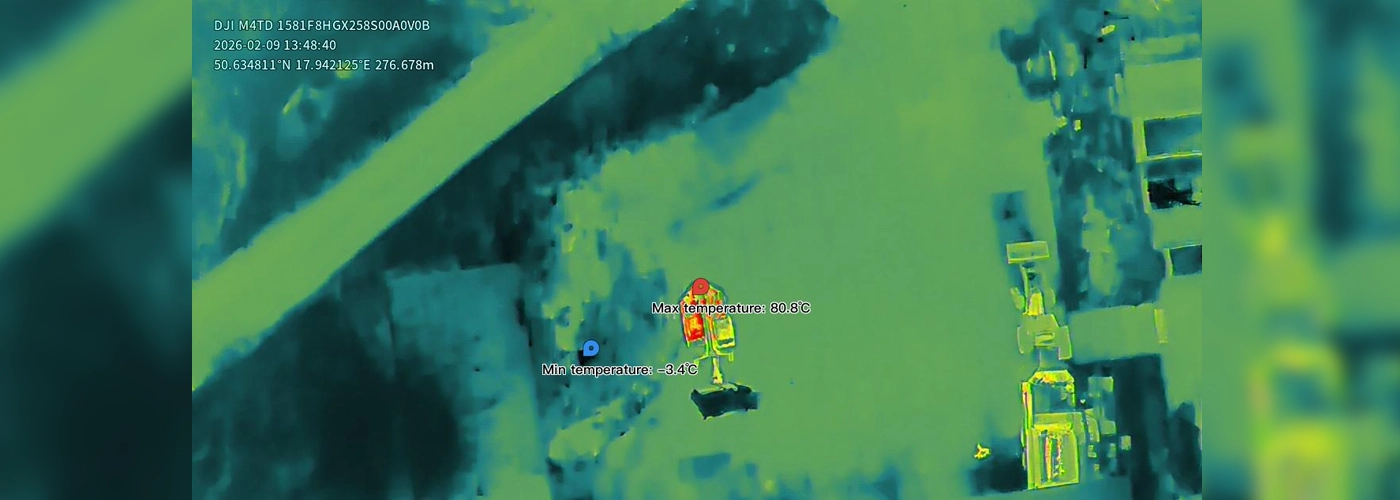
In the case of Opole, we have additionally implemented automation that triggers an sending an alert via SMS, giving the location and the anomaly that triggered the alert.The photo above, was taken by a drone and sent an alert, during a test run being conducted.
Major threats
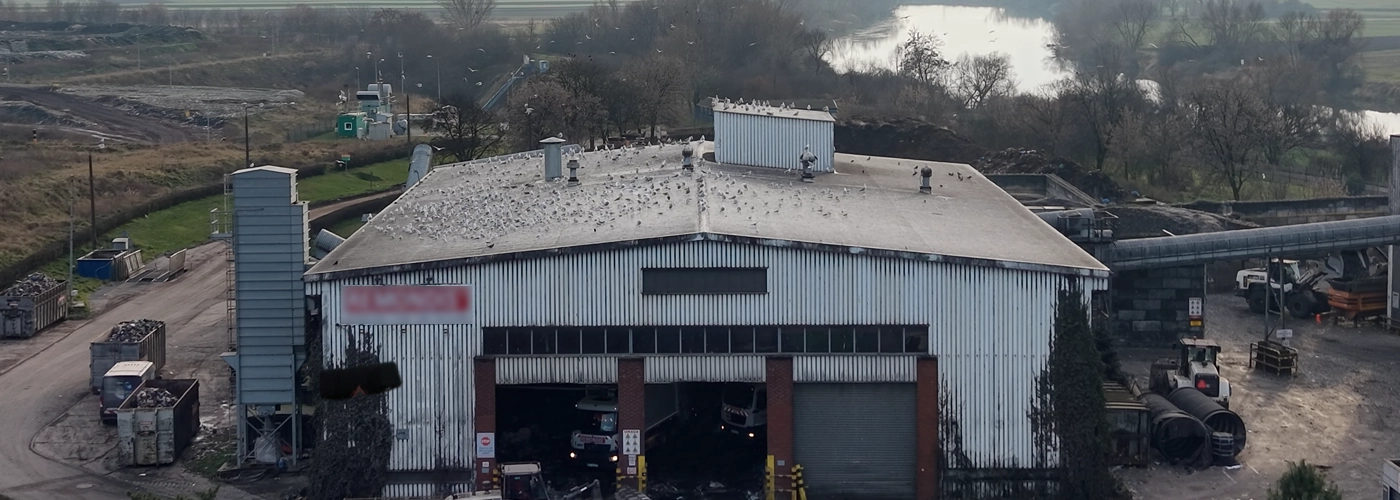
The environment of the municipal plant poses specific challenges for the drone system.One of them is birds , which naturally occur in landfill areas and need to be considered in flight planning.The second important factor is the varying temperature of the area - the presence of machinery (e.g., heated car mufflers), installations (e.g., gensets) and technological processes means that not every thermal anomaly means a real danger.
Therefore, a key element of the whole solution is a well-designed drone flight path.Appropriately selected height, flight route and observation points allow effective monitoring of bio-waste piles, minimizing the risk of false alarms and ensuring safe and repeatable operation of the system.
Why this solution is more effective than classic thermal camera masts?
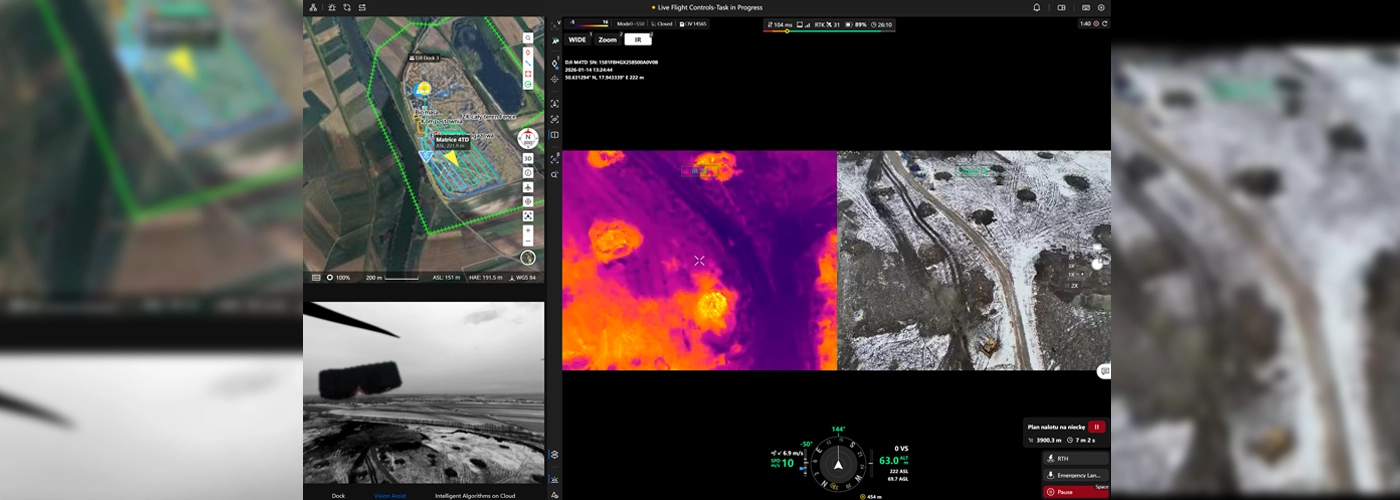
Traditional mast-based systems with thermal cameras provide continuous monitoring, but are limited to one predetermined area.In practice, this means a lack of flexibility - any change in the location of the prisms or expansion of the plant requires costly intervention in the infrastructure.
The solution based on DJI Matrice 4TD and DJI Dock 3 allows monitoring of the entire site , not just one point.The drone executes planned routes, can quickly check different prisms, change flight altitude and observation angle, which significantly increases the effectiveness of temperature anomaly detection.
In addition, the drone system offers much lower installation and expansion costs , faster deployment, and the ability to immediately document events in the form of images and coordinates.This makes it more flexible, scalable, and better suited to the dynamic environment of municipal facilities.
Implementing the system step by step
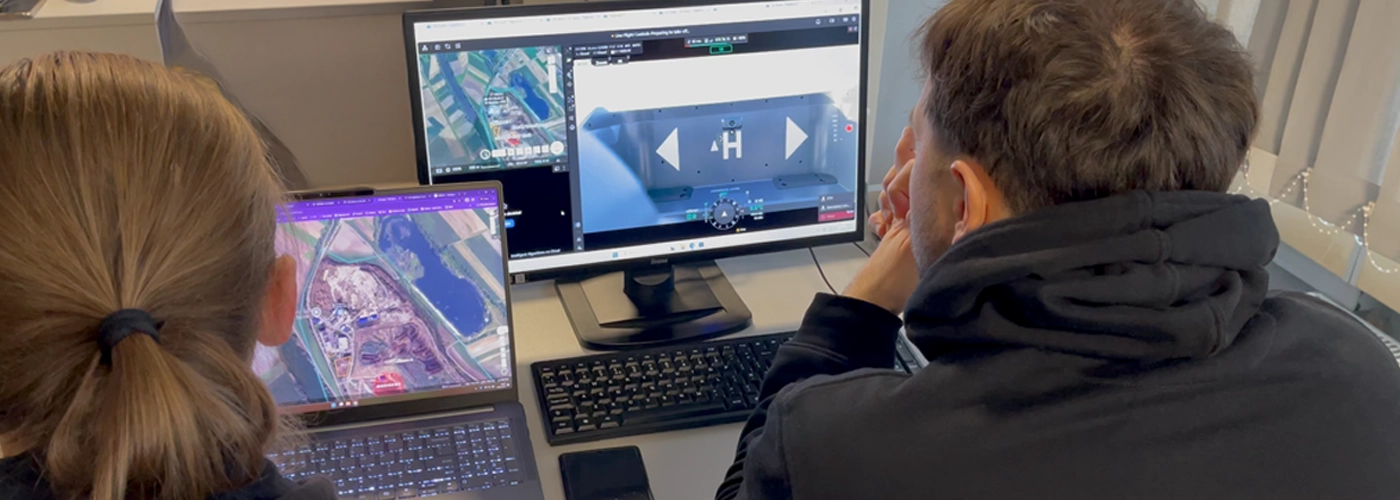
The implementation of the DJI Dock 3 system with the DJI Matrice 4TD drone is carried out as a comprehensive process , including all key stages:
Delivery and installation of the system
We provide a complete drone kit with a docking station.Dock is installed in a designated location, such as on the roof of a plant building, with connection to power and network infrastructure.Hardware upgrade and configuration
After installation, a software update of the drone and docking station is carried out, ensuring system compatibility, access to the latest features and a high level of security.Configuration of routes and alerts
The system is adapted to the realities of the facility - automatic patrol routes, flight altitude and temperature thresholds triggering alarms are defined.User training and implementation
Plant employees receive training in system operation, interpretation of thermal imaging data, and procedures for responding to alerts and emergencies.Test flights and acceptance protocol
The final stage is to perform test flights and draw up an acceptance protocol, confirming the correct operation and readiness of the system for operation.
Additional benefits of having a drone on a municipal site
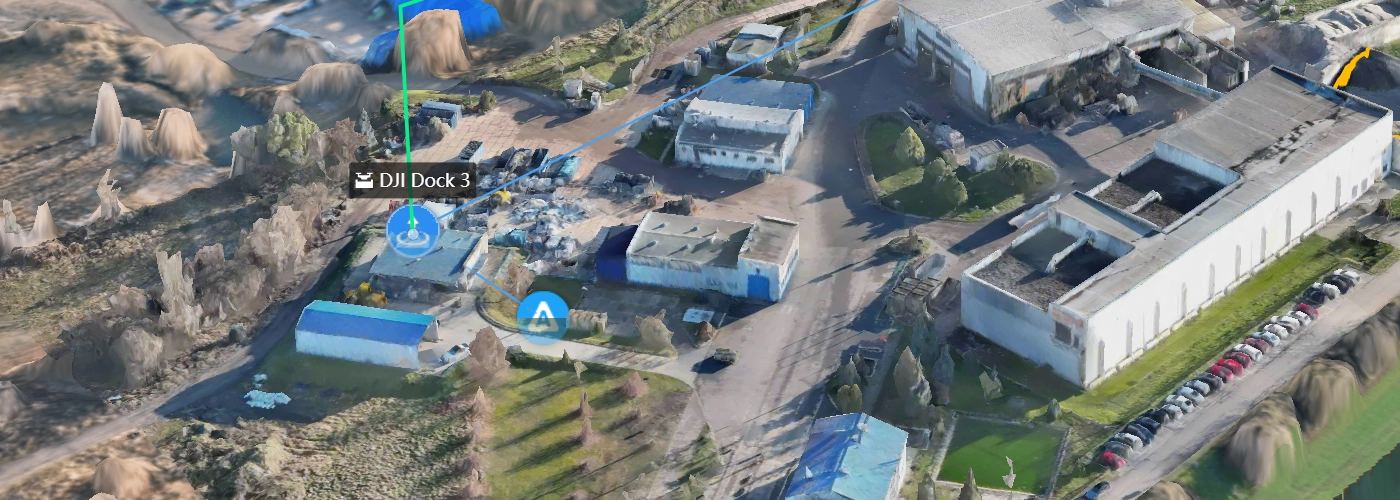
In addition to thermal imaging monitoring of bio-waste piles, the drone system can support the municipal plant in many other operational areas:
Protecting the facility from unauthorized access
The mere presence of the drone and the ability to record images act as a deterrent, reducing the risk of theft, vandalism or illegal waste dumping.Mapping and analysis of land changes
Regular photogrammetric raids make it possible to create up-to-date maps and 3D models of the site.This allows you to monitor changes in space utilization, plan new storage zones and make better use of the available area.Controlling the volume of waste heaps and piles
The drone makes it possible to precisely measure the volume of landfilled waste, which supports reporting, logistics planning and meeting environmental requirements.Inspection of the technical condition of infrastructure
With its RGB and thermal imaging camera, the drone can support inspections of buildings, fences, internal roads, installations and infrastructure components, allowing it to quickly detect damage, leaks or overheating components.
Summary
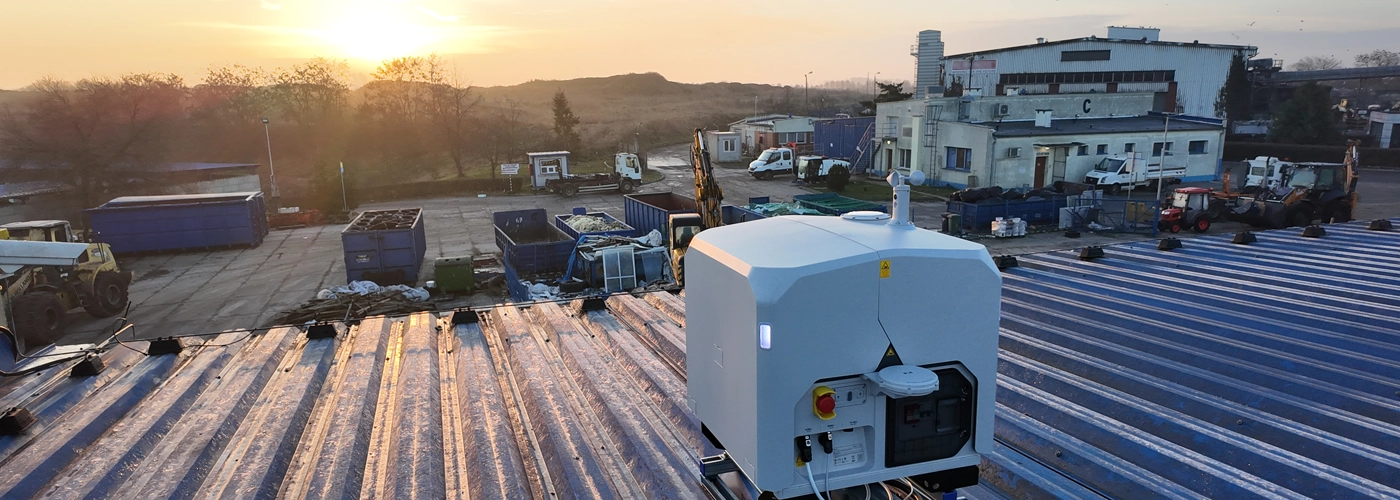
The use of a drone with a thermal imaging camera in combination with a docking station DJI Dock 3 enables automatic, cyclic monitoring of the entire municipal site and early detection of temperature anomalies , before an open fire occurs.The solution based on DJI Matrice 4TD not only increases the level of safety for workers and infrastructure, but also reduces costs associated with downtime and firefighting actions.
It's a single tool that can perform multiple operational tasks - from fire monitoring to facility security to mapping and technical inspections.The drone system is a modern and future-oriented addition to the infrastructure of the municipal plant , in line with the idea of conscious, efficient and responsible environmental management.
If you are interested in implementing such a solution at your facility, contact us.We will prepare an individual offer tailored to your needs.