

 Drone service
 Rental
 Reliability
 Trust
Trust Own warehouse
  Warranty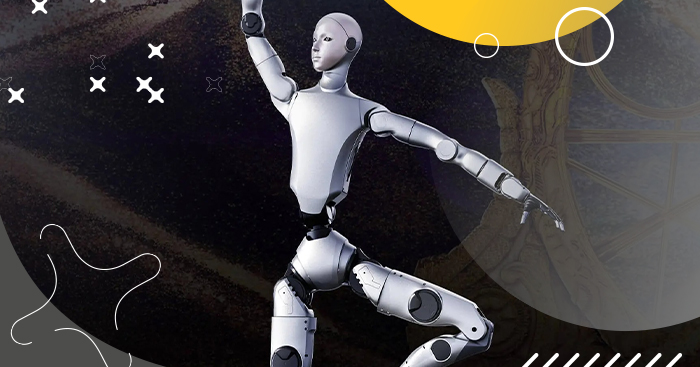
How Does a Humanoid Robot Work, and Where Can It Be Used?? Check out the capabilities of modern robots.



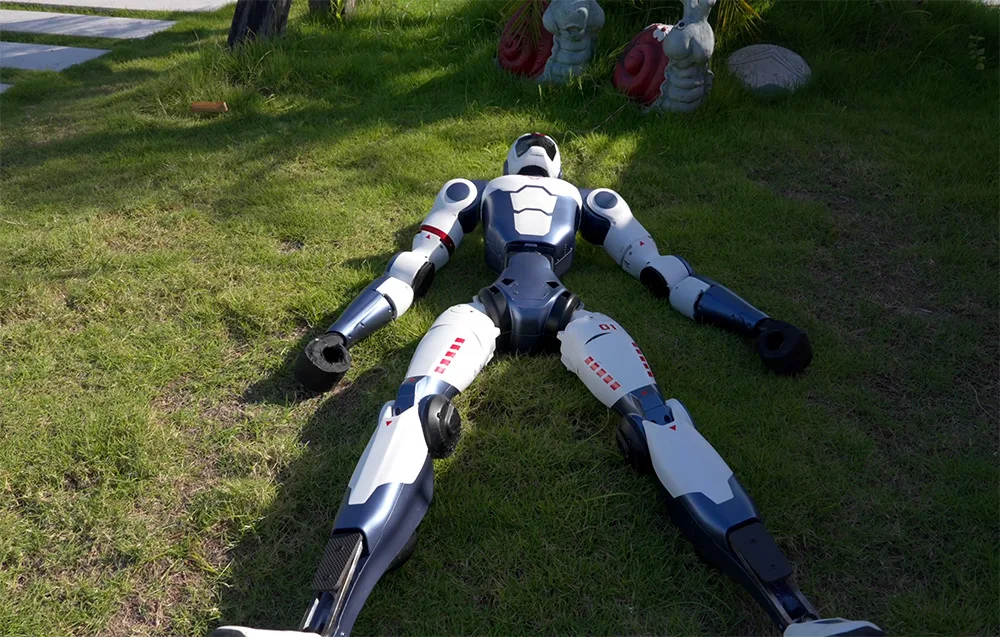
Meet the UNITREE R1 Basic — a lightweight humanoid robot designed for hobbyists, developers, educators, and robotics enthusiasts who want to turn code into real-world motion. Standing approx. 121 cm tall, this compact platform combines agile movement, stable locomotion, and broad development freedom, making it a great choice for AI experiments, robotics programming, interactive demos, and creative motion projects.
Built as an open platform for robotics and artificial intelligence, the R1 Basic gives you room to test ideas, fine-tune behaviors, and explore how algorithms translate into balance, movement, perception, and interaction in the physical world.
The UNITREE R1 Basic is built to move confidently in spaces designed for people. Its compact and lightweight body helps it navigate naturally, while its dynamic control system supports stable walking, stair climbing, obstacle avoidance, and responsive motion adjustment based on the surrounding environment. The result is movement that feels fluid, controlled, and impressive both in technical testing and in public-facing demonstrations.
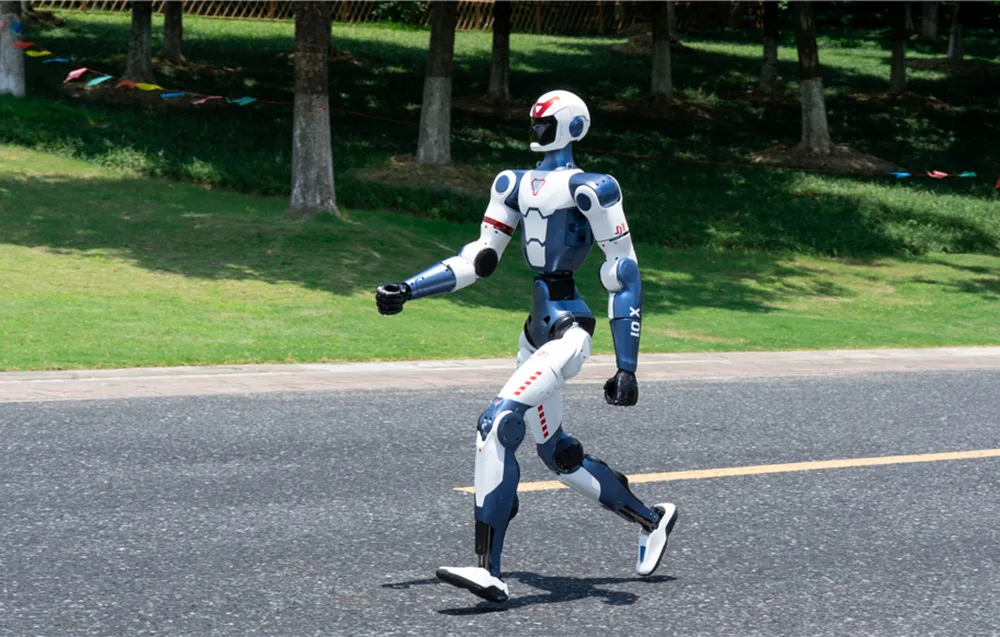
One of the most exciting features of the R1 Basic is how expressive its movement can be. From the very first use, the robot shows smooth transitions, stable posture, and confident behavior even during rapid position changes. The platform supports custom motion programming, allowing you to create advanced movement sequences, show choreography, action demonstrations, or experimental routines inspired by martial arts and performance robotics.
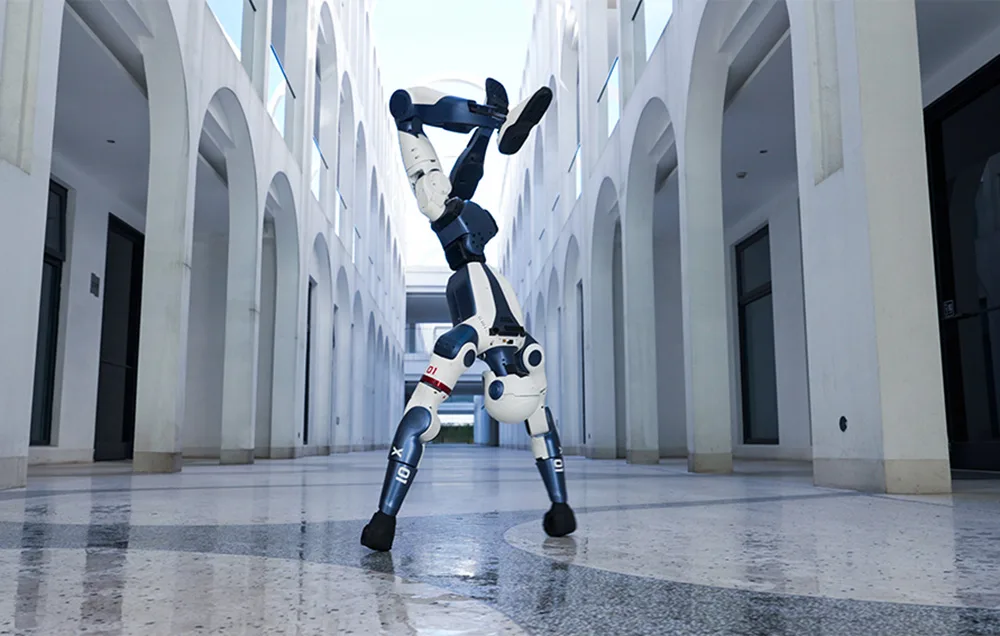
The platform is designed for users who want real development freedom instead of rigid predefined behavior. It provides direct access to joint control and sensor data, making it easier to shape the robot’s behavior around your own project goals. You can build custom actions, connect them into smooth sequences, and design complete interaction scenarios. Support for popular simulation environments also helps streamline the path from virtual testing to real-world deployment.
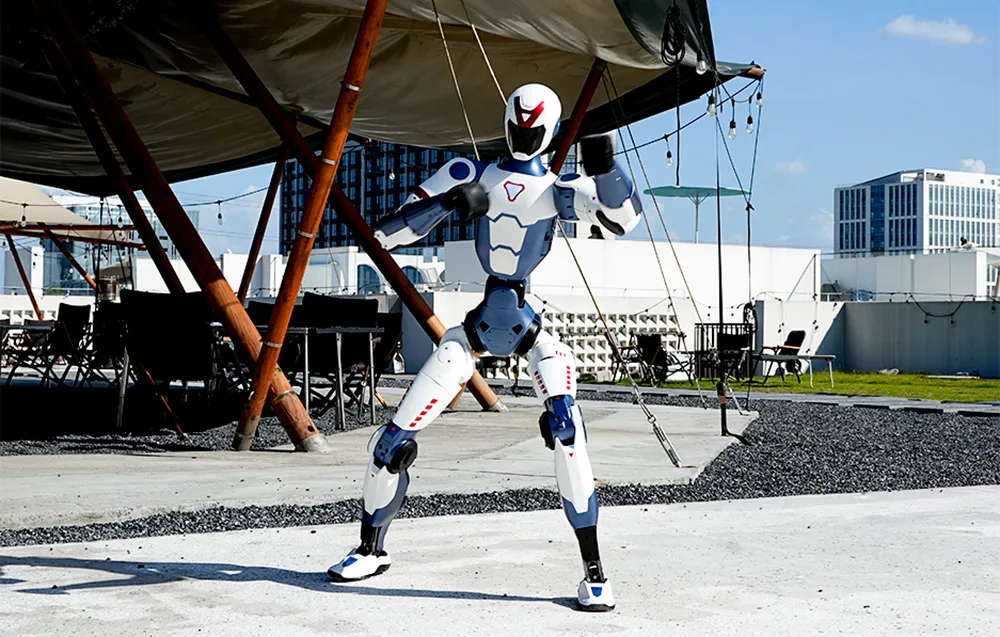
A wide-field stereo vision camera gives the robot detailed visual data about its surroundings. This supports spatial orientation, obstacle avoidance, and responsive behavior in changing environments. For hobby robotics, experimentation, and AI-based perception projects, this creates a solid foundation for building more advanced navigation and interaction workflows.
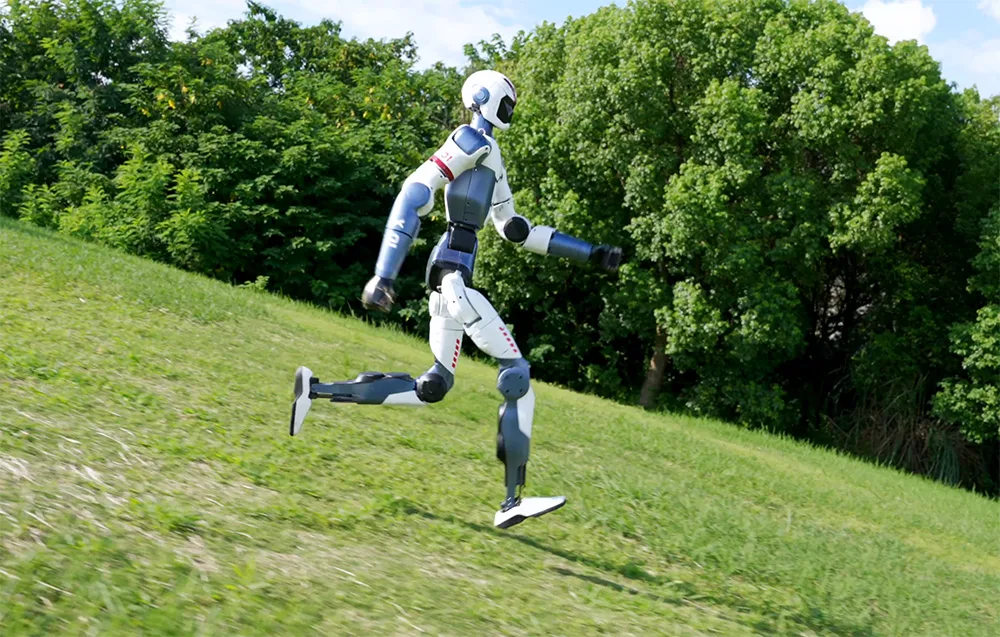
The integrated audio system includes a built-in speaker and a 4-microphone array, enabling natural voice-based communication scenarios. The robot can respond to voice commands, play audio messages, and take part in interactive routines programmed by the user. Combined with its movement and perception capabilities, this makes the R1 Basic especially engaging for demonstrations, educational activities, and interactive robotics showcases.
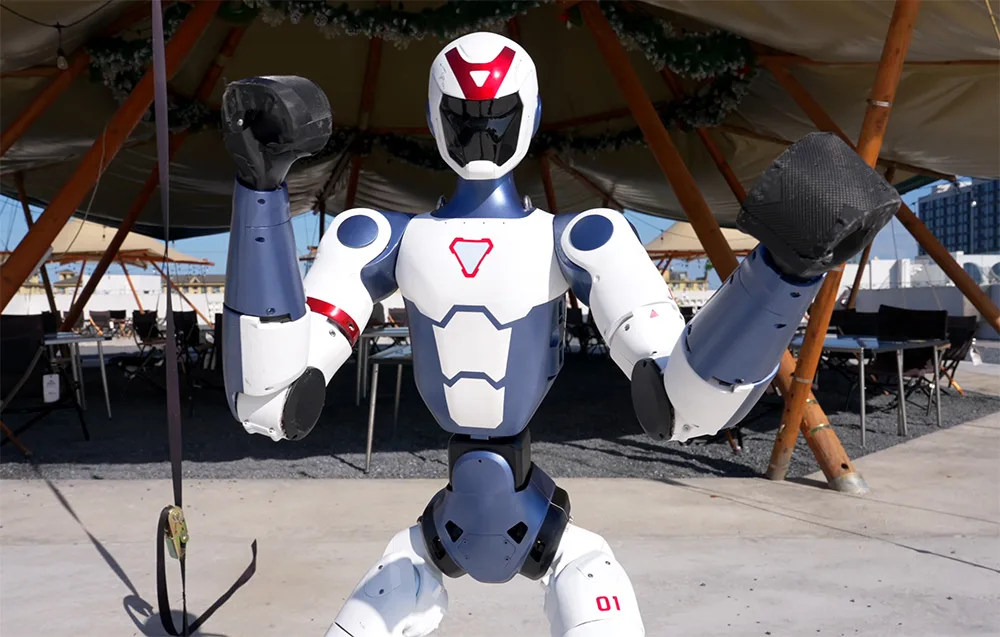
The onboard computing module is based on a high-performance 8-core CPU supported by GPU resources, giving the robot enough power for motion control, data processing, and AI algorithm execution at the same time. This makes experimentation more convenient and reduces the need to offload every task to external systems, which is especially useful during development, testing, and live demos.
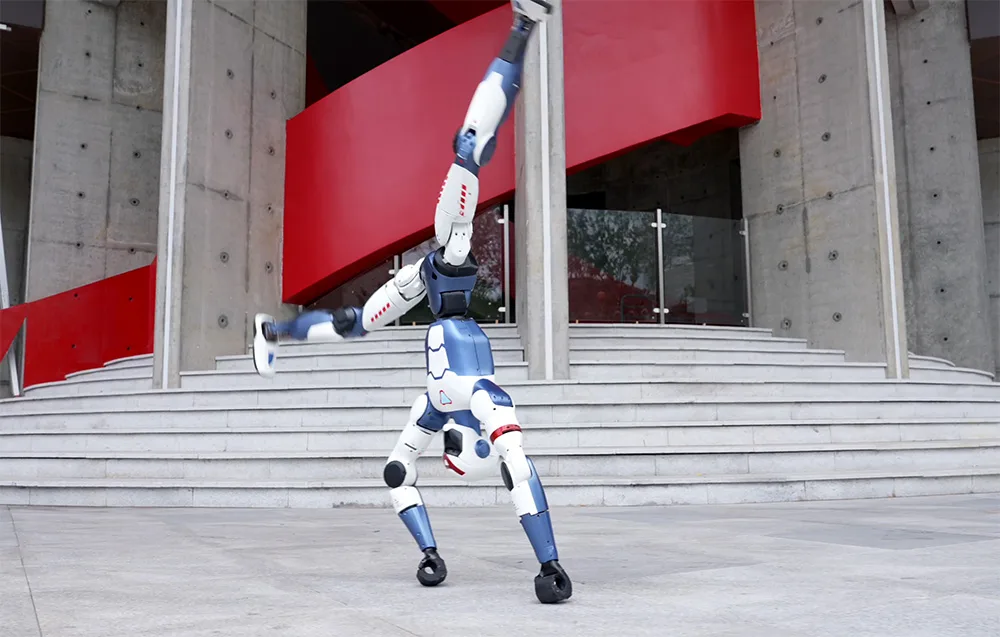
The UNITREE R1 Basic uses a lithium battery designed for intensive use. A full charge provides around 1 hour of operation, which is enough for testing sessions, educational workshops, and product presentations. Thanks to the quick-release smart battery system, you can swap power sources efficiently and keep working with minimal interruption.
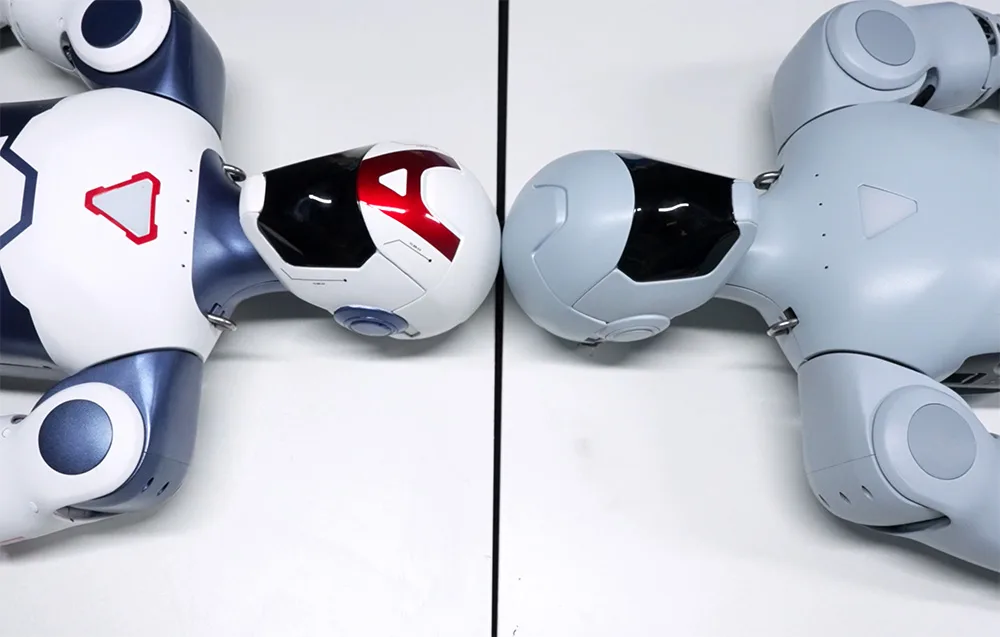
The R1 Basic is a versatile humanoid robot that fits a wide range of use cases. It works well for learning programming and robotics, testing motion and perception algorithms, creating custom AI interaction projects, and building eye-catching demos for trade shows, conferences, maker spaces, or technology events. If you want a humanoid robot that is fun to develop on and exciting to present, this model is a strong choice.
| Brand | Unitree |
|---|---|
| Model | R1 Basic |
| Dimensions in standing position | 1210 × 357 × 190 mm |
| Weight (including battery) | Approx. 25 kg |
| Degrees of freedom (all joints) | 26 |
| Degrees of freedom per leg | 6 |
| Degrees of freedom per arm | 5 |
| Waist degrees of freedom | 2 |
| Joint bearings | Crossed roller bearings, dual Hook ball bearings |
| Joint motor | Low-inertia high-speed internal PMSM motor (permanent magnet synchronous motor for improved responsiveness, speed, and heat dissipation) |
| Maximum arm joint torque | Approx. 2 kg |
| Calf + thigh length | 675 mm |
| Forearm + upper arm length | 435 mm |
| Joint range of motion | Waist joint: Y ±150° / R ±30° Knee joint: -10° to +148° Hip joint: Y ±157° / P -68° to +146° / R -60° to +100° |
| Electrical routing | Hollow + Internal Routing |
| Joint encoder | Dual + single |
| Cooling system | Local air cooling |
| Power supply | Lithium battery |
| Base computing power | High-performance 8-core processor |
| Microphone array | 4 microphones |
| Speaker | Yes |
| Wi-Fi 6 / Bluetooth 5.2 | Yes |
| Humanoid binocular camera | Yes |
| Smart battery (quick release) | Yes |
| Charger | Yes |
| Handheld controller | Yes |
| Battery life | Approx. 1 hour |
| Enhanced smart OTA | Yes |
 Get expert advice