How do I choose propellers for an FPV drone?

What propellers These will be the best for the drone? This question may seem simple at first glance, but in reality, choosing the right propellers depends on many factors. It is these factors that largely determine the drone’s performance, flight stability, and energy efficiency. Properly matched propellers can extend battery life, improve maneuverability, and reduce noise levels,On the other hand, the wrong choice can lead to vibration, loss of balance, or accelerated wear on the motors. That's why, before making a purchase, it's a good idea to check which specifications are most important for a given type of equipment and flying style.
Basic Propeller Specifications. Size and Stroke
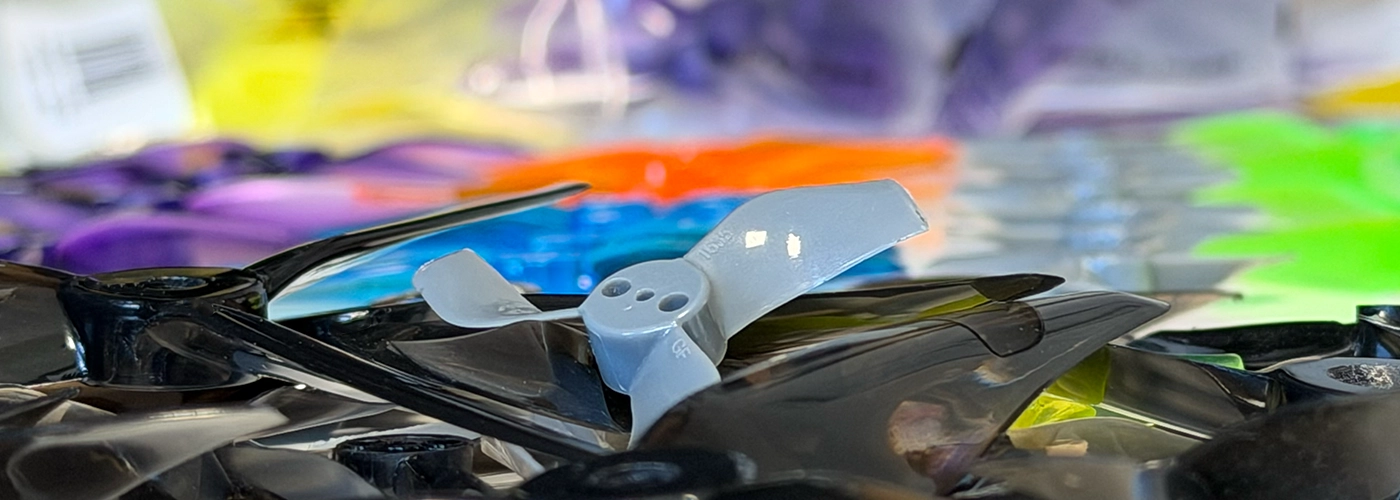
How to Choose Propellers for a Drone? To choose the right one, it's a good idea to first familiarize yourself with the key technical specifications. Key specifications for propellers are diameter (size), mounting, pitch, and the number of blades. They are most often written in a format such as “3.5X2.5X3”: the first two numbers are given in inches; the first refers to the diameter, the second to the pitch, and the third to the number of blades.
What exactly are diameter and stroke?? The diameter is twice the distance from the center of the propeller to the tip of the blade. We usually choose it based on the specific frame size and riding style. The pitch, on the other hand, is a value that describes the angle of the blades' inclination. A higher stroke length means higher speed and greater power requirements—at the expense of efficiency at low RPMs. In practice, the choice therefore comes down to a compromise between thrust, fuel consumption, and flight characteristics (stability versus speed)..
Number of propeller blades
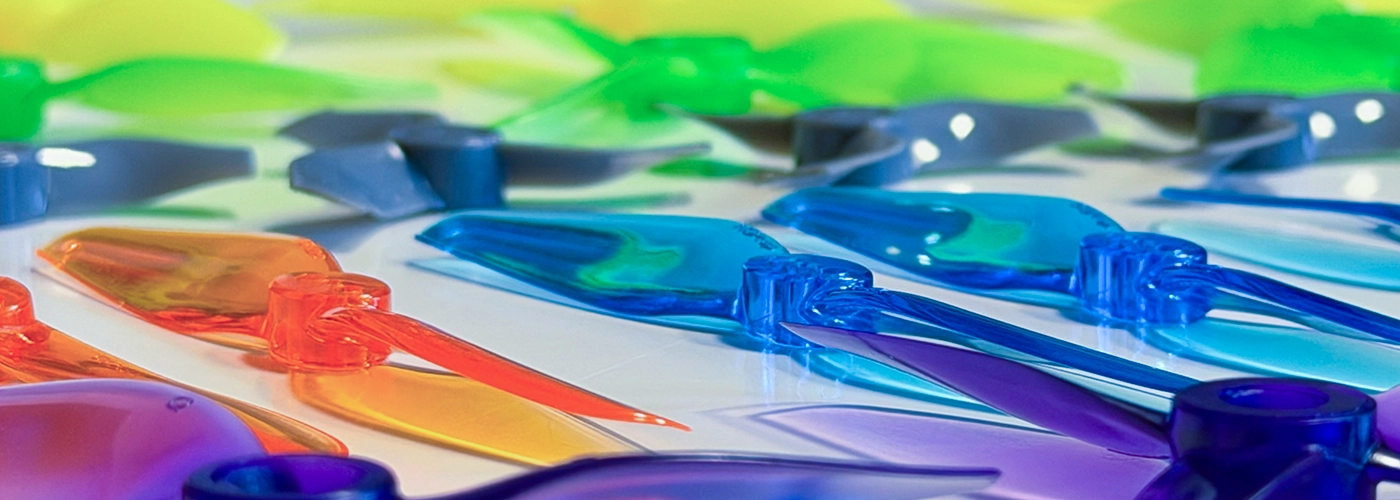
Another important parameter is the number of blades. This is an issue that has a direct impact on the drone's flight characteristics. Among commercially available drones, two-bladed propellers dominate the market, although some manufacturers also offer three-bladed propellers (especially in FPV drones). It is also worth noting four-blade propellers, which, in smaller sizes, are particularly popular in small and toy drones, and in larger sizes, in drones for professional use.
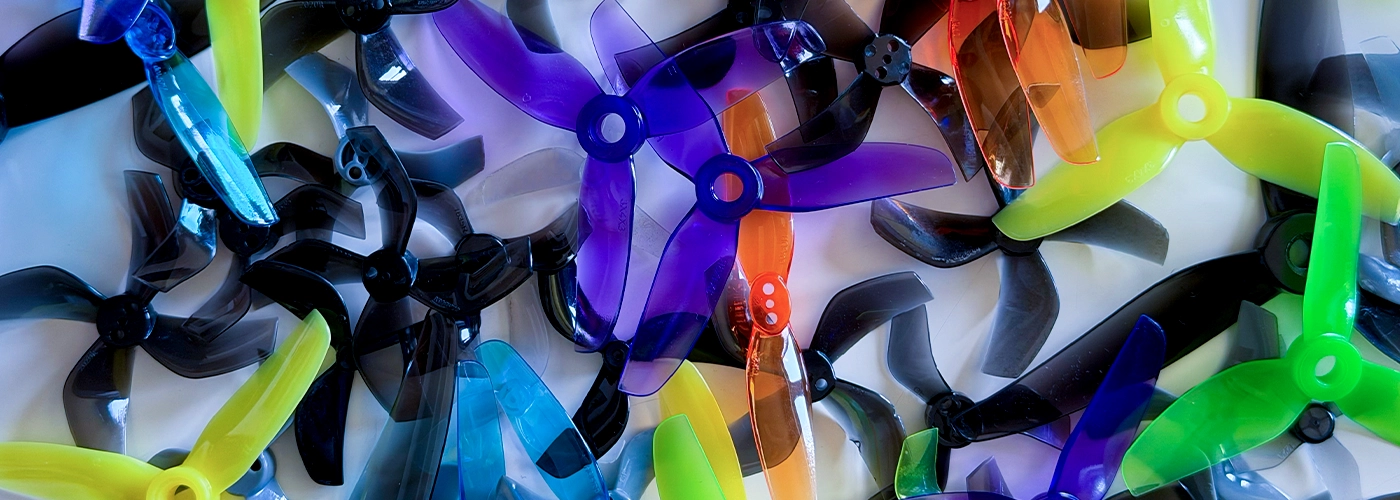
How Does the Number of Propellers Affect a Drone's Flight?? This is is important primarily for efficiency and rotational speed. Two-bladed propellers are generally the most energy-efficient and provide good rotational speed. With three-bladed propellers, you can expect higher thrust and better responsiveness during maneuvers—hence their popularity in FPV and stunt drones. Multi-blade propellers (4 or more) can provide even more speed, but this comes with higher power consumption and more noise, which is why they are rarely used in commercial drones. How to Choose Propellers for a Drone Based on This Angle? The answer here is simple—for photography, video, and long-distance flights, the most common choice is 2-blade propellers, while for dynamic flights or carrying heavy loads, it’s best to choose 3-blade propellers. Propellers with four or more blades are generally designed for applications requiring specific flight characteristics.
Propeller Material and Design vs. Drone Durability and Vibrations
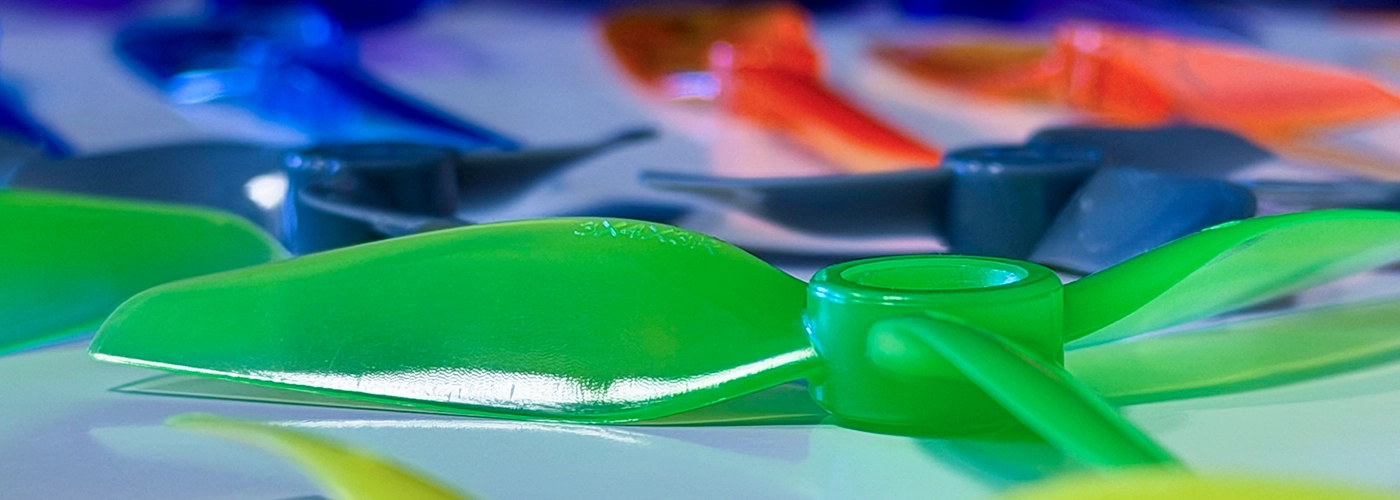
Drone propellers are made of various materials. Most often, these are reinforced plastics (e.g., carbon-fiber-reinforced nylon) and composites (including carbon composites). It is worth noting that all of these materials are relatively lightweight. For this reason, they are the natural choice for drones—their light weight improves dynamics and reduces inertia, which helps achieve more precise control over the device. However, these solutions are not without their drawbacks: due to their lightweight construction, such propellers offer relatively low resistance to damage.
Propellers with more complex profiles are also available, such as those with additional edge reinforcements (rubber). These components can help reduce noise—but they’re often noticeably more expensive as a result. For many drone models, manufacturers specify particular types of propellers that are suited to a specific type of flight. It's always a good idea to start by reviewing these recommendations. There is also no shortage of companies that offer their own proprietary propellers designed specifically for certain devices—for example, drones DJI can easily be equipped with propellers tailored to the specifications of a given model.
Come on in and check out the drones DJI
Matching Propellers to Engines and the Airframe
Although diameter and mounting are the most important factors, buying the right propellers isn't just a matter of choosing "bigger or smaller". What else should you look out for?? The key is to ensure compatibility with the drone's design and motor. Here are a few important factors that may influence your choice:
flight style (freestyle/long range);
Engine displacement (the larger the displacement, the faster it spins, but the lower the torque);
frame spacing and size – first and foremost, check to make sure the propellers won't interfere with the frame.
Along with RPM comes another important parameter—KV, that is, revolutions per volt (rotational speed per volt of supply voltage). A motor with a higher KV rating won't be able to handle a large propeller with a high pitch. This can cause both the motor and the ESC to overheat and reduce their service life. Small, fast, high-KV motors, on the other hand, work great with small, low-drag propellers. Before making a purchase, it's always a good idea to compare the engine manufacturer's specifications with the propeller manufacturer's recommendations. If possible, it's also worth looking for thrust tests or specific engine-and-propeller combinations.
How to Choose Propellers for a Drone? Step by step
Whether it's a DIY drone, a high-speed FPV drone, or a drone for filming, such as DJI Mini 5 Pro, The right propellers are crucial for flight. Below is a brief checklist, which will help you make the best decision:
Specify the drone's intended use. Film flights, FPV, and transport—each of these areas has different requirements in terms of stability, flight time, and thrust.
Check the engine and frame specifications. Note the motor's KV rating, maximum RPM, and the maximum propeller size allowed for the frame.
Select the size and stroke that are compatible with your device. If the drone or motor manufacturer recommends a specific size range, it's a good idea to stick to it. If you're buying propellers from another manufacturer, it's a good idea to check the test results.
Choose the number of blades based on your flying style. Two-bladed propellers offer the highest energy efficiency, while three-bladed propellers can provide better control.
If you're looking for professional propellers from various manufacturers, check out MegaDron's selection.pl. Our product line includes a wide range of solutions that will make your flights even more enjoyable. Check out our selection and choose the best accessories for your drone!
Summary
Choosing propellers for a drone isn't just about finding the right size. The diameter, pitch, number of blades, and material have a real impact on how the drone flies, how long it stays in the air, and how it responds to control stick movements.
That's why it's a good idea to check the manufacturer's recommendations before buying and choose propellers that are suitable for your specific model and flying style. If you're still unsure which propellers are the best choice for your drone, please contact us. We'll be happy to help you choose the right model, explain the differences between the available options, and advise you on whether it's better to go with original propellers or proven aftermarket replacements.