
Premiere of DJI Neo 2, a new drone DJI
DJI 's Neo 2 Debut: An Exciting New Product Unveiled at the End of 2025. Although the drone retains the compact design and light weight of its predecessor, changes have been made that significantly affect the quality of the device. In this article we take a step-by-step look at the DJI Neo 2, from its construction to its specifications, concluding, as always, with a summary of the device. If you're curious about what has actually changed in DJI Neo 2 and whether it's worth checking out, we invite you to read on.
Building the Neo 2 Drone
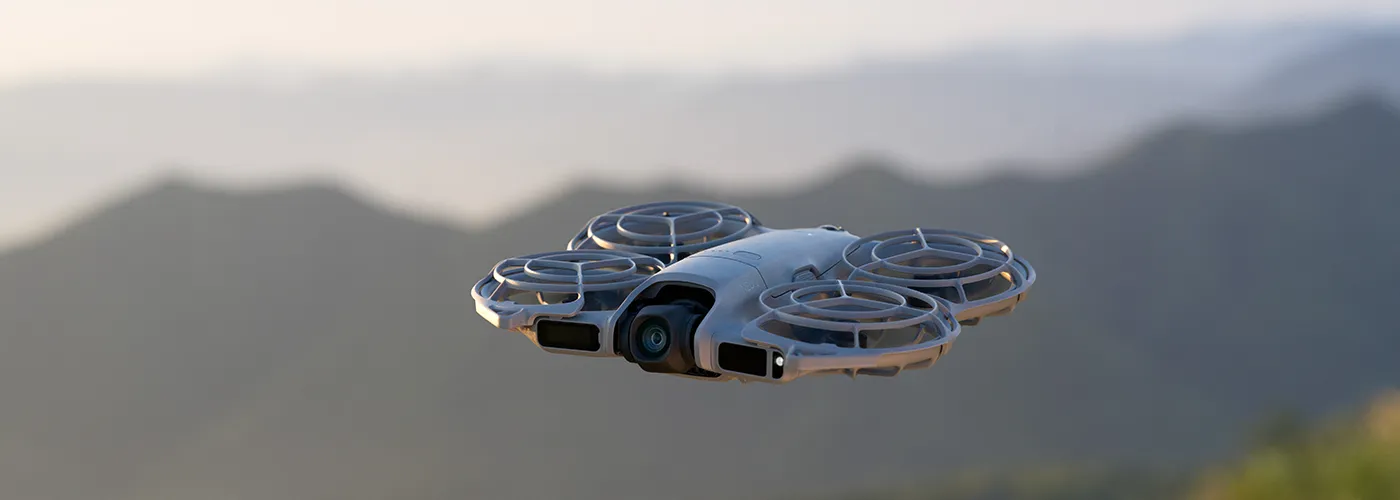
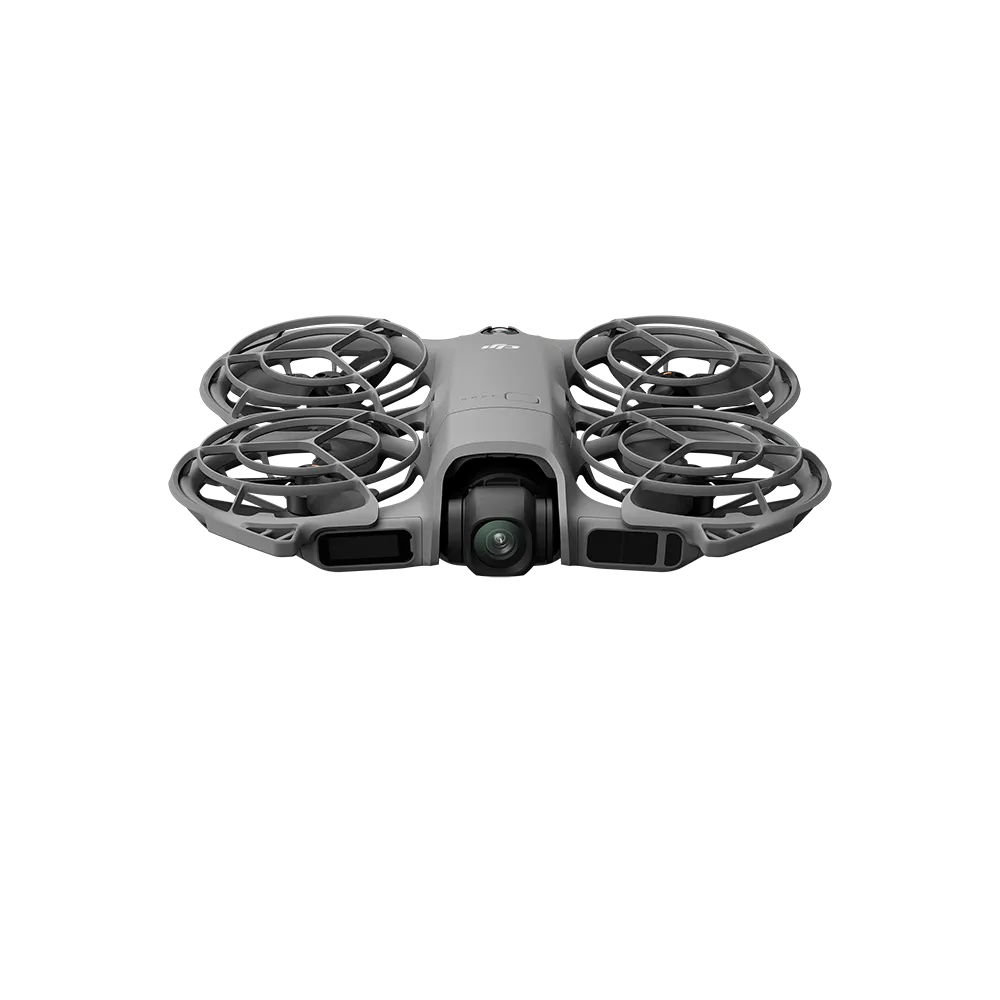
In terms of design DJI The Neo 2 is a small drone weighing 151 grams, which is slightly larger and sturdier than its predecessor. The dimensions of the new model are 167×171×54 mm (with the digital transmitter and propeller guards). The difference may seem small, but it results in better stability in flight and greater wind resistance (up to 10.7 m/s).
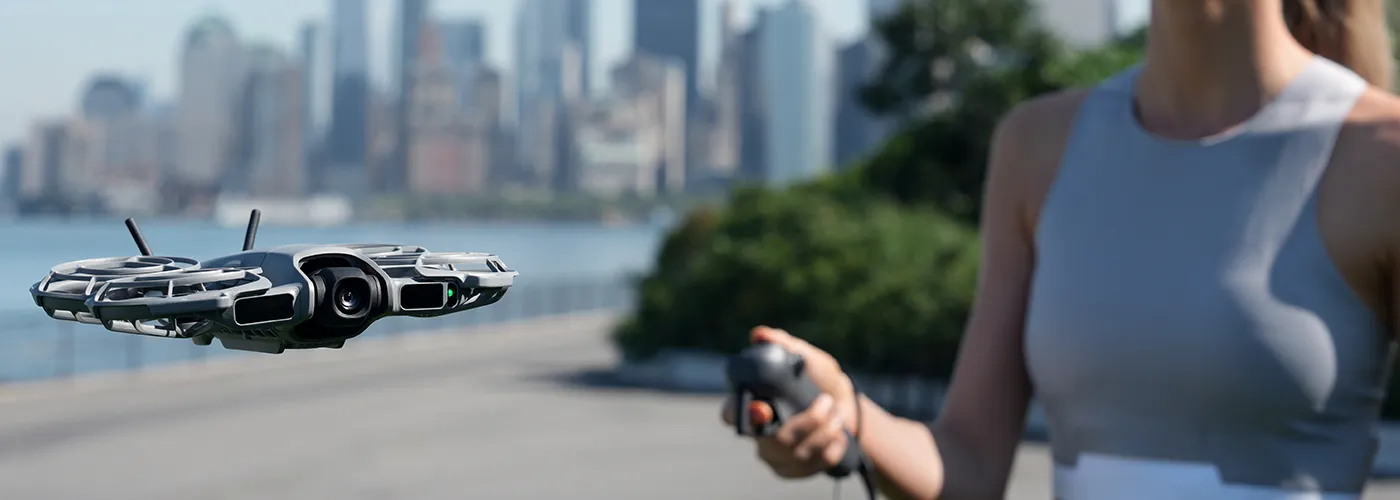
DJI The Neo 2 features a multi-directional camera system and a front-facing LiDAR sensor that aids in real-time obstacle detection. In practice, the drone has better spatial awareness, much more accurate tracking, and can maneuver safely even in tight spaces. It's worth noting here that the LiDAR is located at the front, so when flying sideways or backward, it's best to fly more carefully.
Another new feature is the status screen located on the front frame of the drone. A very convenient solution—in the competing HoverAir model, the screen is located on top, and once the drone takes off, you can't see it.. Here, too, it will work reasonably well over longer distances, but we always have more control. You can also check the device's current mode and status without having to look at your phone. In addition, left-right mode-switching buttons have been added, so you don't have to keep clicking over and over again if you accidentally switch modes.
Although the Neo 2 still falls into the C0 category (under 250 g), its design is more sophisticated and “mature”. The drone is slightly larger, but this makes it more stable, safer, and more reliable in flight.
Photo and Video Quality of the DJI Neo 2
The DJI Neo 2 features a lens with an f/2.2 aperture, which allows for brighter shots compared to the previous model. It's a bit of a shame that they didn't use a 1/1.3-inch sensor like in, say, the DJI O4 Unit Pro, but stuck with a 1/2-inch diagonal instead.. But the new one A 2-axis mechanical gimbal that works with RockSteady stabilization, delivering significantly steadier footage than before.
It also has a wider viewing angle—119.8° and dVertical video recording in 2.7K has been added. This feature allows you to post drone footage directly to Stories or Shorts without having to crop it. The 9:16 aspect ratio is not an add-on here, but a full-fledged mode that preserves full image quality.
Neo 2 Range and Flight Time
The Neo 2 has specifications very similar to those of the Neo. The flight time has been extended slightly—to about 19 minutes, which is mainly due to the use of a battery with a higher capacity. In practice, this means a few extra shots at most per flight. The range remains the same—up to 6 km—while transmission stability and interference resistance have been improved. The Neo 2 maintains a better connection in areas with denser development. It is worth noting, however, the increased wind resistance—from 8 m/s to 10.7 m/s. This is one of the tangible changes that results in more stable handling and less drifting in more challenging conditions.
Charging has also become more convenient—the new bidirectional hub supports three batteries at once and works with chargers with a power output of up to 65 W.
Neo 2 Features and Built-in Memory
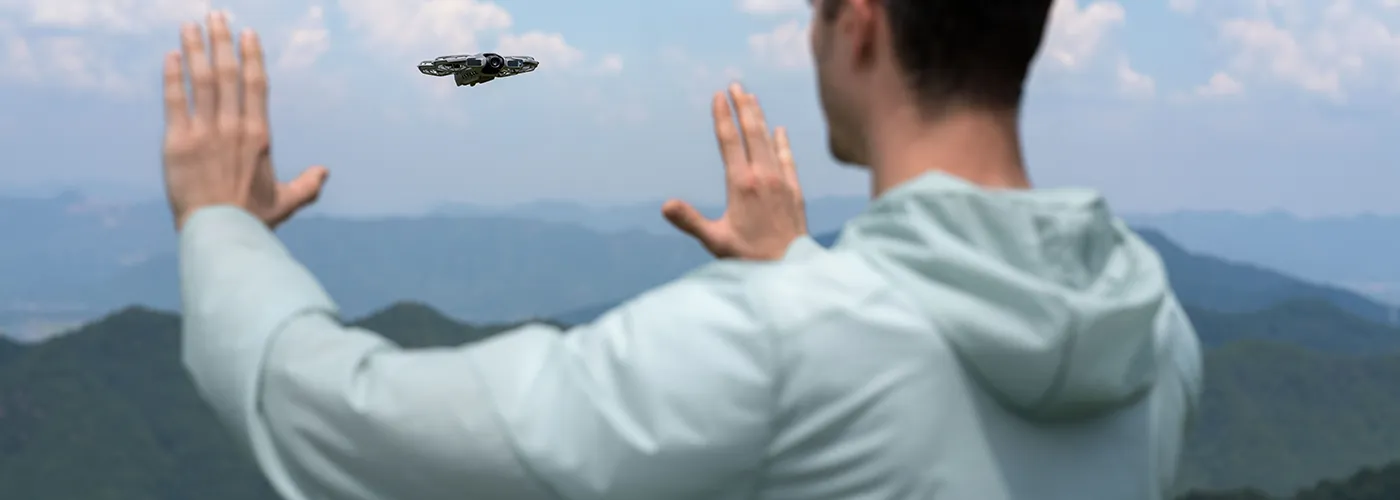
The Neo 2 was designed to be as easy to use as possible – without having to use any additional accessories. The drone can be powered on and launched directly from the palm of your hand, and it is controlled not only using the remote but also through gestures and voice commands. All it takes is a simple hand gesture or a short phrase for the Neo 2 to change its flight path or start recording.
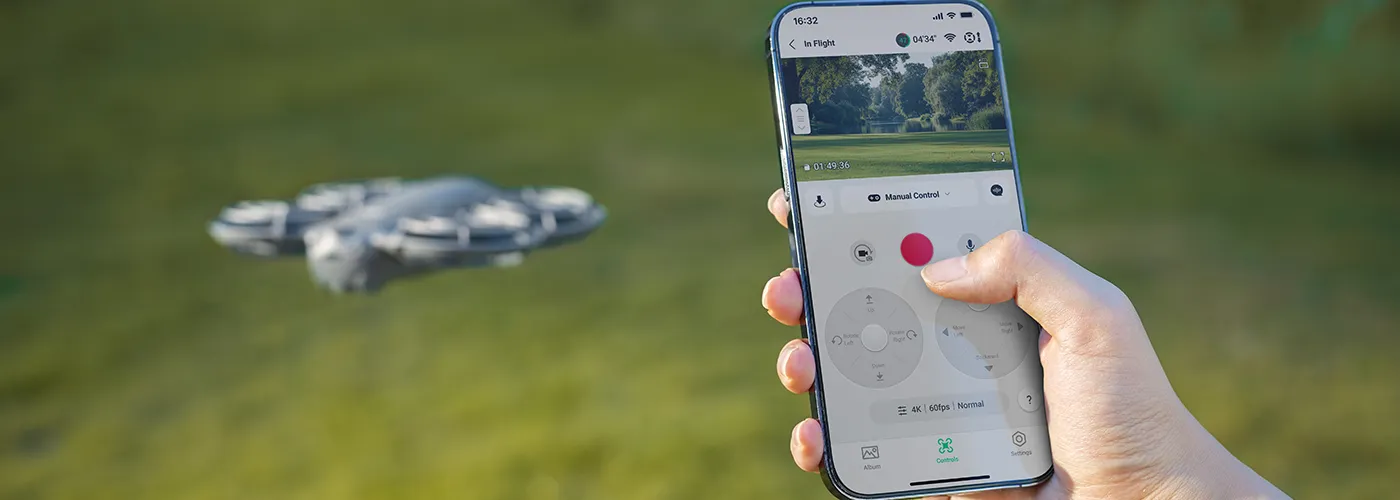
For users who prefer classic controls, the “ DJI Fly” app with virtual joysticks is still available, as well as support for the “ DJI RC-N3” controller. Keep in mind that when using a standard drone controller, it offers significantly greater range and more stable live streaming at 1080p/60 FPS..
49 GB of built-in storage—more than twice as much as the previous version, so that's definitely a plus. It's a shame, though, that we can't insert a memory card.
DJI Neo 2 Drone Specifications
| Drone |
|
| Weight | 151 g without the digital transmitter 160 g with a digital transmitter |
| Drone Class | C0 |
| Max. flight time | 19 min |
| Camera | 1/2" 12 MP |
| Camera | 4K/60 fps |
| Gimbal | 2-axis |
| Range | up to 6 km |
| Obstacle Detection Sensors | A multi-directional monocular vision system, combined with a downward-facing infrared sensor and a forward-facing LiDAR sensor |
| Maximum speed | 43.2 km/h |
| Wind resistance | 38.52 km/h |
| Operating temperature | -10° to 40° C |
| Internal memory | 49 GB |
| Compatible with the DJI RC controller with screen | Yes |
| Price for the Fly More Combo set | 1,849 PLN |
DJI Neo 2 Price and Availability
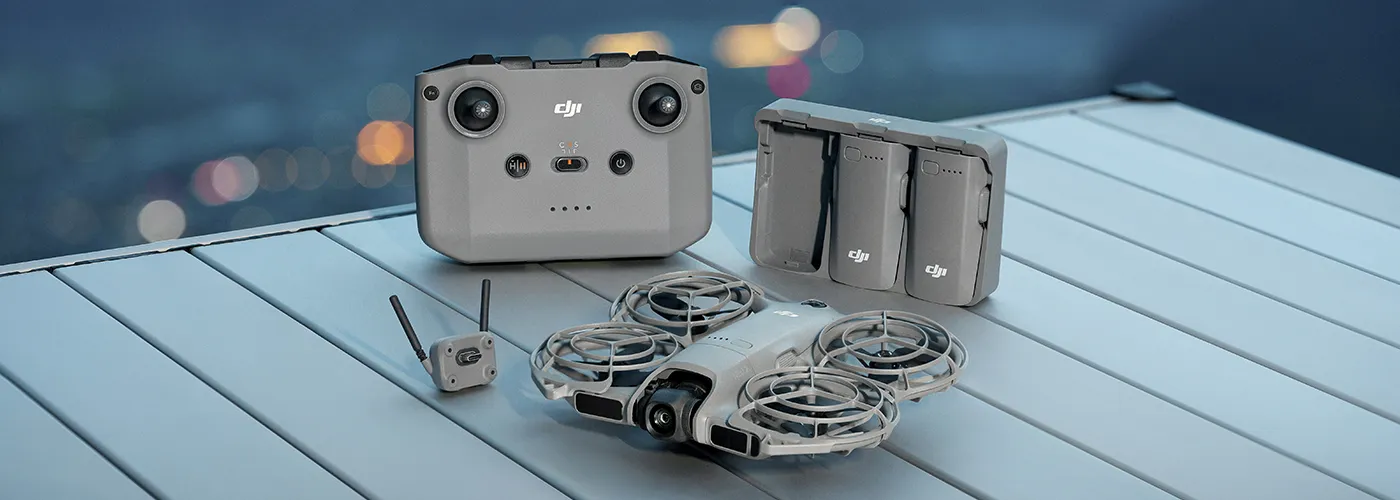
DJI The Neo 2 is available in four versions. Each set is designed for a different audience, so that everyone can find "something" they'll like:
- DJI Neo 2 Drone - 1,099.00 PLN - the most basic kit, which includes a drone; perfect for getting started, as a gift, or if you're not sure whether flying a drone is for you or if you'll get hooked on the hobby
- DJI Neo 2 Fly More Combo - 1,849.00 PLN - complete set, including a drone with an RC-N3 controller that provides a much greater control range, 3 batteries, and a charging hub
- DJI Neo 2 Fly More Combo (Drone Only) - 1,529.00 PLN - extended kit with a drone, 3 batteries, and a hub, but without a controller
- DJI Neo 2 Motion Fly More Combo - 2,649.00 PLN - a starter kit for those who want to give it a try FPV drones, with a drone, a motion controller, 3 batteries, a hub, and VR goggles
If you're not sure which set is right for you, we invite you to Contact, We'll help you choose and answer any questions you may have :)
*Price current as of the release date, November 13, 2025; subject to change at a later date.
Summary

The manufacturer focused on refining the details— it has improved the camera quality, stabilization, and sensor system, further simplifying operation, and given the drone’s light weight, this is a truly significant achievement.
The drone handles wind better than its predecessor, and thanks to LiDAR, it has more advanced tracking modes. Control via the app has significantly improved range and, as an added feature, includes the option to issue commands using gestures. These changes have a very positive impact on flight comfort and provide a sense of confidence when operating the drone.
Finally, it’s worth noting that the Neo isn’t a drone designed to break performance records, but it’s perfect for:
- Tracking drone - LiDAR + omnidirectional system: this is currently the best system on the market for obstacle avoidance and tracking in drones
- An Introduction to the World of Drones, Just right for starting your adventure
- A Daily Companion - It often happens that when we're flying a drone, we miss some shots because we didn't happen to bring the right equipment—but you can always have this with you
DJI The Neo 2 shows that even a small device can be packed with technology and provide a satisfying experience when recording and flying.